
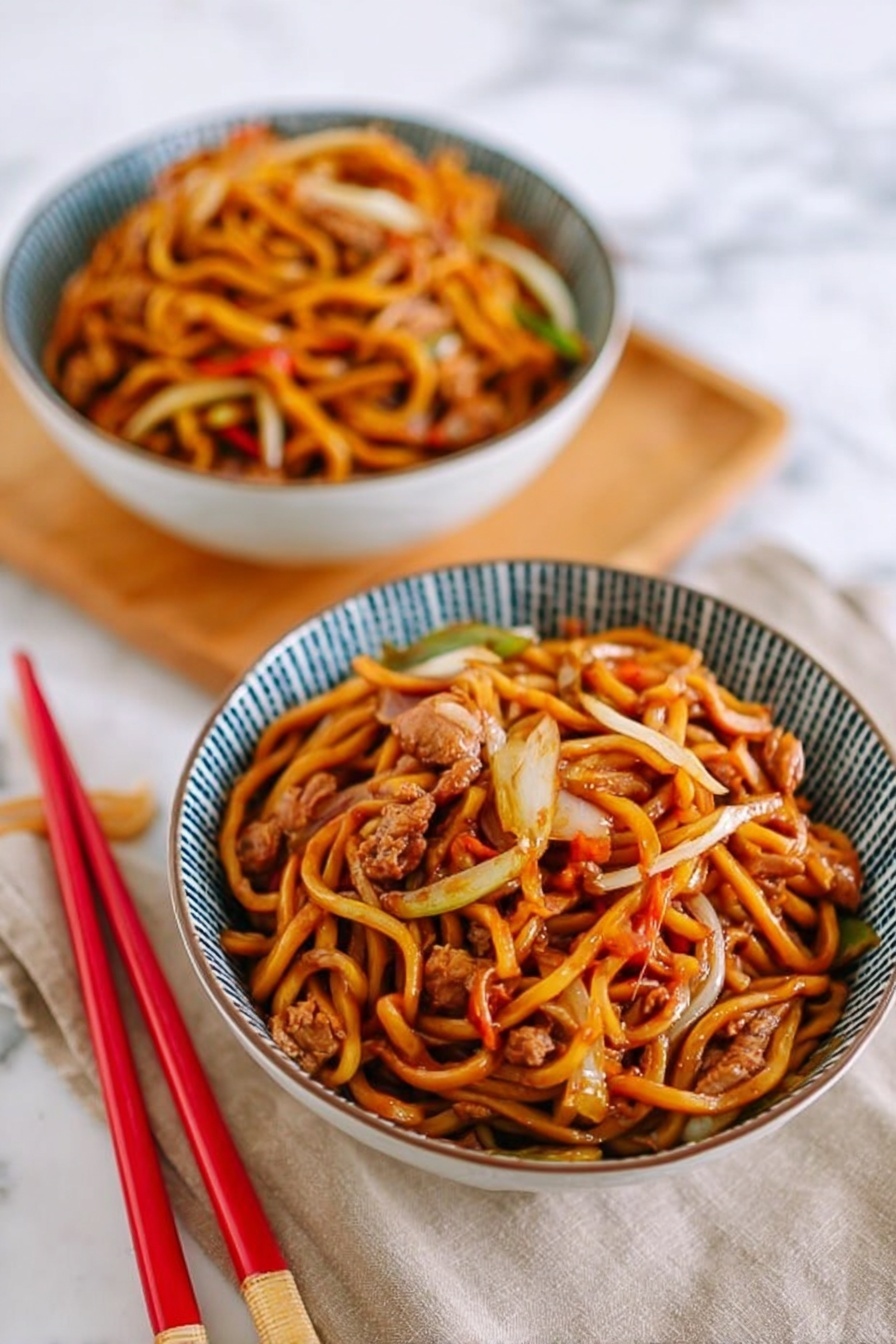
If you’ve ever found yourself craving takeout but wanting to skip the wait and mystery ingredients, you’re going to love this Restaurant-Style Chicken Lo Mein Recipe. It’s packed with savory-sweet sauces, tender chicken, crisp veggies, and perfectly chewy noodles — all made right in your own kitchen. Trust me, once you try this, you’ll realize how simple it is to whip up what tastes like a dish from your favorite Chinese restaurant, but way fresher and personalized to your liking. Ready to dive into the ultimate comfort food that your family will actually ask for again and again? Let’s get started!
Why You’ll Love This Recipe
- Authentic Flavors: The balance of oyster sauce, soy sauce, and a hint of sesame oil gives it that classic restaurant taste you crave.
- Quick & Easy: Ready in about 30 minutes, perfect for busy weeknights or last-minute dinners.
- Versatile Ingredients: You can swap veggies or protein easily to suit your fridge and preferences.
- Family Favorite: I’ve made this countless times and my crew goes crazy for it every time — no leftovers!

Ingredients You’ll Need
This recipe uses a combination of fresh veggies, tender chicken, and egg noodles that hold up beautifully to stir-frying. Using chicken thighs gives you a juicy, flavorful bite, but if you prefer breast, that works too! When shopping, look for fresh lo mein noodles or dry ones that clearly say “lo mein” for the best texture.
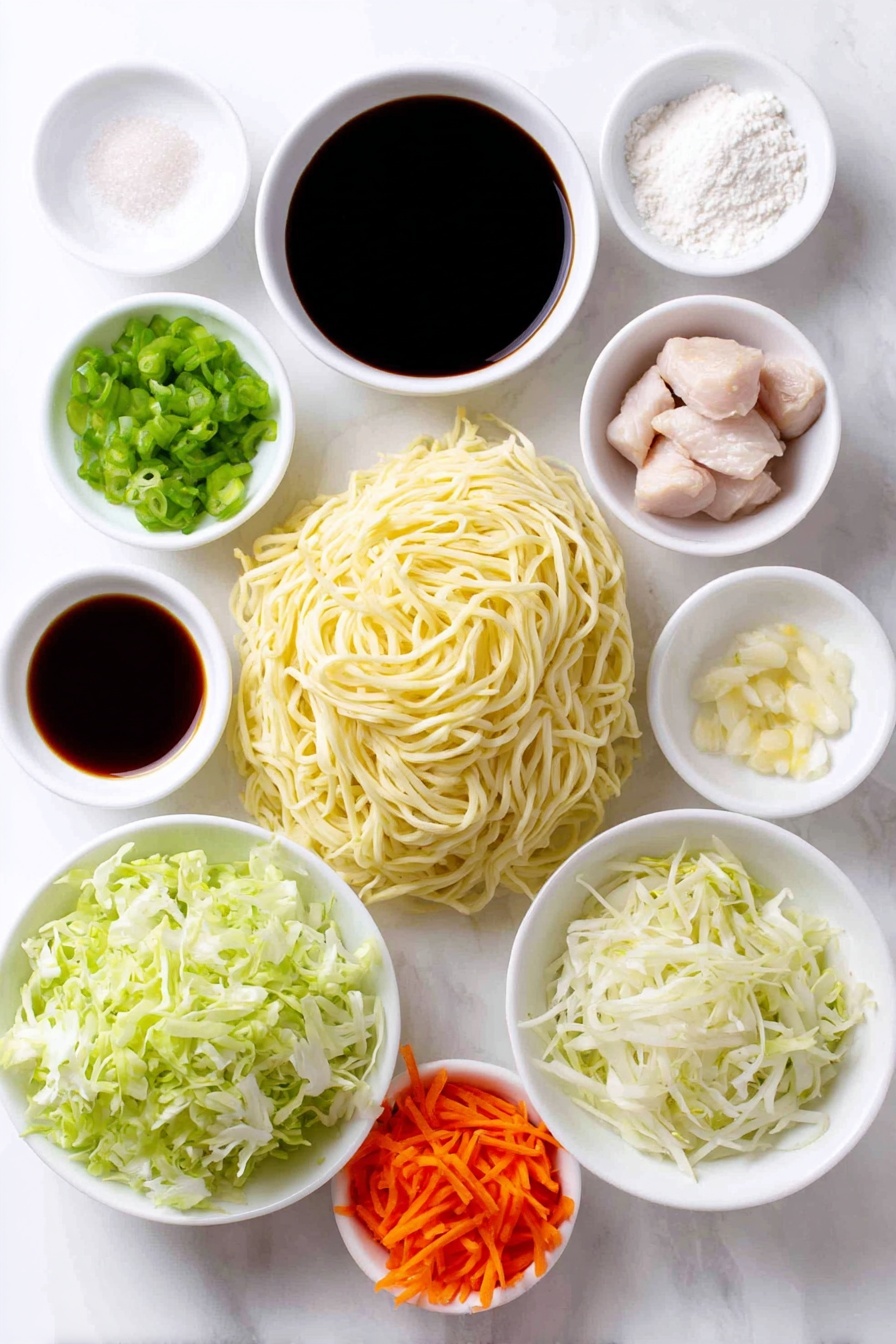
- Lo mein egg noodles: Fresh works best for that perfect chew, but dried can be cooked just before stir-fry.
- Chicken thighs: Boneless and skinless, cut thin for quick cooking and juicy texture.
- Cornstarch: For coating the chicken, helps get that slightly crispy sear and locks in moisture.
- Oyster sauce: Adds a rich, umami depth—you can find it bottled in most Asian grocery aisles.
- Light and dark soy sauce: Both work together to balance saltiness and color.
- Sesame oil: Just a little goes a long way for that toasty aroma.
- Garlic: Freshly minced is key for big flavor upfront.
- Cabbage: Shredded for slight crunch and sweetness.
- Carrots: Julienned for a touch of color and natural sweetness.
- Shao xing wine: A Chinese cooking wine that adds subtle complexity, but you can substitute dry sherry.
- Mung bean sprouts: Added at the end for a juicy crunch.
- Scallions: Julienned to finish with freshness and bite.
Variations
One of the best things about this Restaurant-Style Chicken Lo Mein Recipe is how easily you can tweak it. Over the years, I’ve tried all sorts of swaps so it fits whatever I have on hand or my mood that day.
- Vegetarian option: I swapped out chicken for tofu and added shiitake mushrooms — still delicious and just as satisfying.
- Spice it up: Add a splash of chili oil or some red pepper flakes if you want a kick; my husband likes it this way!
- Different protein: Shrimp or thinly sliced beef are great alternatives that cook just as quickly.
- Veggie swaps: Broccoli, snap peas, or bell peppers work beautifully, especially in season.
How to Make Restaurant-Style Chicken Lo Mein Recipe
Step 1: Prep and Marinate Your Chicken
Start by slicing your boneless chicken thighs into thin strips — this helps them cook quickly and evenly. Toss the chicken with cornstarch, a bit of water, oil, and oyster sauce. This simple marinade tenderizes the meat and helps it sear beautifully later. While it marinates for about 10 minutes, get your veggies ready and noodles prepped.
Step 2: Mix the Sauce and Prepare Your Noodles
In a bowl, combine hot water, salt, and sugar, stirring until dissolved for a simple but flavorful base. Then mix in both light and dark soy sauces, sesame oil, and white pepper. This sauce blends sweet, salty, and nutty notes that make the dish sing. If using dried noodles, boil them according to package instructions, then drain and set aside at room temperature.
Step 3: Cook the Chicken
Heat a wok or large skillet over high heat and add a couple tablespoons of oil. When it’s hot, add the marinated chicken and sear it for a few minutes until it’s golden brown but not completely cooked through—remember, it will finish cooking with the noodles later. Once browned, remove the chicken and set aside to keep that beautiful texture.
Step 4: Stir-Fry Your Vegetables
Add a bit more oil to your wok, then toss in the minced garlic for a quick 10 seconds until fragrant—you’ll want to smell that right away. Next, throw in the shredded cabbage and julienned carrots. Stir-fry on high heat for about a minute, then pour in the shaoxing wine around the edges to deglaze the pan and add a subtle complexity. It’s a trick I learned to elevate simple veggies into something special.
Step 5: Combine Noodles, Chicken, and Sauce
Return the noodles and chicken to the wok, then drizzle your sauce mixture over the top. Use a spatula to gently lift and mix the noodles from the bottom up, coating everything evenly for about 30 seconds. Then reduce heat to medium and cover the wok for a minute—this steams everything together and lets the flavors meld beautifully.
Step 6: Finish Stir-Frying and Add Final Touches
After removing the lid, stir-fry again. If the noodles seem dry or sticky, splash in 1/4 cup of water or broth — it’ll loosen everything up and give that classic slippery texture you want in lo mein. Toss in fresh mung bean sprouts and julienned scallions, stir for another minute, and it’s ready to serve!
Pro Tips for Making Restaurant-Style Chicken Lo Mein Recipe
- High Heat is Key: Cooking everything on high heat keeps the veggies crisp and the chicken juicy without stewing.
- Don’t Overcrowd the Pan: Stir-fry in batches if needed to maintain that perfect sear and texture.
- Use Fresh Noodles When Possible: They absorb sauce better and have the ideal chew.
- Add Liquid Gradually: If the noodles get sticky, a little water goes a long way to loosen them without washing away flavor.
How to Serve Restaurant-Style Chicken Lo Mein Recipe
Garnishes
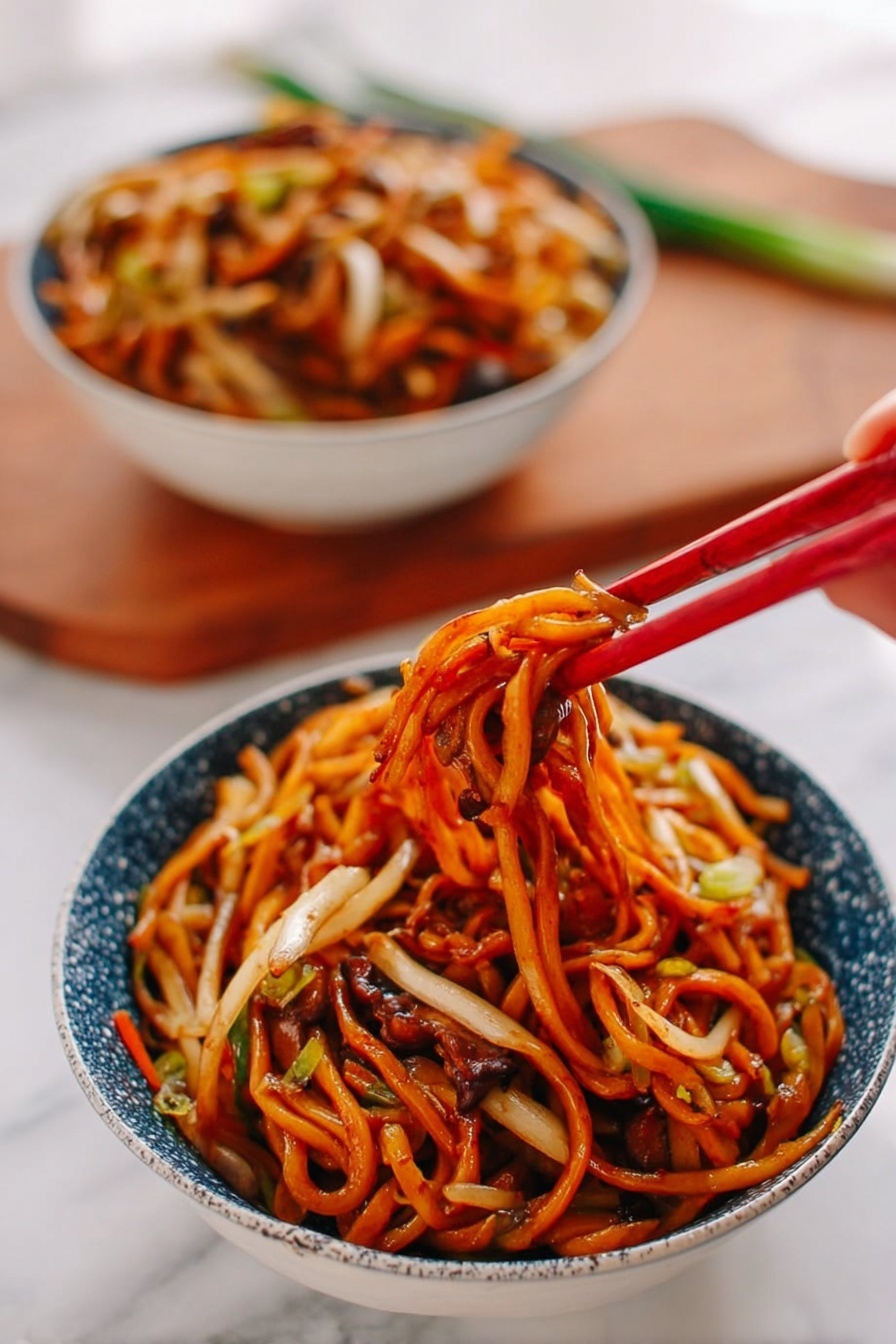
I love topping my lo mein with an extra sprinkle of sliced scallions and a handful of toasted sesame seeds—they bring a lovely crunch and nutty aroma. Sometimes I drizzle just a bit more sesame oil or a splash of chili oil for heat if we’re feeling adventurous. It’s these little touches that make the dish pop on the plate and palate.
Side Dishes
Pair this chicken lo mein with some simple sides like steamed dumplings or vegetable spring rolls for a full Chinese-inspired dinner. At home, we often serve a light cucumber salad or hot and sour soup alongside—it balances the meal beautifully and keeps it feeling fresh.
Creative Ways to Present
For special occasions, I love serving lo mein in individual small bowls topped with a soft-boiled egg or thin slices of fresh cucumber and carrot ribbons. If you’re hosting, garnish with edible flowers or arrange the noodles like little nests for a pretty presentation that will impress your guests.
Make Ahead and Storage
Storing Leftovers
I usually store any leftovers in an airtight container in the fridge for up to 3 days. The noodles tend to soak up sauce when chilled, so before reheating, sprinkle a little bit of water over the noodles to help rehydrate them for that fresh texture.
Freezing
While I don’t usually freeze lo mein because the texture of noodles can change, it’s possible if you’re careful. Freeze in a shallow, airtight container without the bean sprouts and scallions, as they don’t freeze well. Thaw overnight in the fridge, then reheat gently.
Reheating
To reheat, I like to toss the lo mein in a hot pan or wok with a splash of water or broth over medium heat. This revives the moisture and helps bring back a freshly made quality. Microwaving works in a pinch but can make things a bit soggy.
FAQs
-
Can I use chicken breast instead of chicken thighs for this lo mein?
Absolutely! Chicken breast works fine as long as you slice it thinly so it cooks quickly and stays tender. Keep in mind that chicken thighs have a bit more fat, which adds flavor and juiciness, but breast is a leaner alternative that still tastes great.
-
How do I know if my lo mein noodles are fresh or pre-cooked?
Fresh lo mein noodles usually come refrigerated and are soft, while dried lo mein need boiling before use. The texture and packaging will often state if they’re fresh or dried—if unsure, check the package instructions or ask your grocer. Pre-cooked noodles just need to come to room temperature before stir-frying.
-
Can I substitute shaoxing wine with something else?
Yes! If you don’t have shaoxing wine, dry sherry is a great substitute. If you prefer not to use alcohol, you can use a splash of chicken broth with a pinch of sugar, though the flavor profile will be slightly different.
-
How do I get the noodles not to stick together?
Make sure to toss the noodles with a little oil after cooking if they’re fresh or boiled. When stir-frying, avoid overcrowding the pan and stir frequently. Adding a little water or broth during the cooking process will keep noodles loose and slippery.
-
Can I make this recipe vegetarian?
Definitely! Swap out the chicken for tofu or more veggies like mushrooms and broccoli. Use vegetarian oyster sauce (made from mushrooms) and make sure your soy sauce is vegetarian-friendly for the best results.
Final Thoughts
Honestly, this Restaurant-Style Chicken Lo Mein Recipe has become one of my go-to dishes because it hits that perfect balance of comforting and fresh. Every time I make it, I’m reminded how delicious home cooking can be when you break down restaurant techniques into clear, do-able steps. I can’t wait for you to try this for yourself — and maybe even customize it with your favorite veggies or spices. Serve it up with loved ones, and enjoy every bite of that incredible homemade goodness!
Print
Restaurant-Style Chicken Lo Mein Recipe
- Prep Time: 20 minutes
- Cook Time: 10 minutes
- Total Time: 30 minutes
- Yield: 6 servings
- Category: Main Course
- Method: Stovetop
- Cuisine: Chinese
Description
This Restaurant-Style Chicken Lo Mein recipe delivers a flavorful and authentic experience right at home. Featuring tender chicken strips, fresh lo mein egg noodles, crisp vegetables, and a savory sauce made with soy, oyster sauce, and Shaoxing wine, this stir-fried dish is easy to prepare and surpasses typical takeout quality.
Ingredients
Noodles and Chicken
- 1 pound fresh lo mein egg noodles
- 8 oz. boneless skinless chicken thighs or chicken breast, cut into thin strips
- 2 teaspoons cornstarch
- 2 teaspoons water
- 2 teaspoons oil, plus more for cooking
- 1 teaspoon oyster sauce
Sauce
- 2 tablespoons hot water
- 1/8 teaspoon salt
- 1/8 teaspoon sugar
- 1 tablespoon light soy sauce
- 4 teaspoons dark soy sauce
- 1 teaspoon sesame oil
- 1/8 teaspoon white pepper
Vegetables and Aromatics
- 1 clove garlic, minced
- 4 cups cabbage, shredded
- 2 medium carrots, julienned (about 1 1/2 cups)
- 1 tablespoon Shaoxing wine
- 2 cups mung bean sprouts
- 2 scallions, julienned
Instructions
- Prepare Noodles: Check whether your lo mein noodles are raw or pre-cooked. If raw, boil them according to package instructions until tender, then drain. If pre-cooked, simply let them come to room temperature before stir-frying.
- Marinate Chicken: In a medium bowl, combine chicken strips with cornstarch, water, 2 teaspoons oil, and oyster sauce. Mix well and let it marinate briefly to tenderize and flavor the chicken.
- Make Sauce Mixture: In another bowl, dissolve salt and sugar in 2 tablespoons hot water. Add light soy sauce, dark soy sauce, sesame oil, and white pepper. Stir thoroughly to create a balanced, flavorful sauce.
- Sear Chicken: Heat a wok over high heat and add 2 tablespoons oil. Once hot, add the marinated chicken and sear for 2-3 minutes until browned and partially cooked through. Remove chicken from the wok and set aside.
- Cook Vegetables: Add a couple more tablespoons of oil to the wok, then add minced garlic. Sauté for about 10 seconds until fragrant. Add shredded cabbage and julienned carrots, stir-frying on high heat for about 1 minute. Pour Shaoxing wine around the edge of the wok to deglaze and add aroma.
- Combine Noodles and Chicken: Return the noodles and seared chicken to the wok. Pour the prepared sauce over the top. Using tongs or chopsticks, mix everything from the bottom up vigorously for about 30 seconds, helping to evenly distribute the sauce and combine ingredients.
- Steam and Finish Stir-Fry: Reduce heat to medium, cover the wok, and let the mixture steam for 1 minute. Remove the lid and stir-fry the noodles; if they appear dry, add 1/4 cup water or stock and continue stir-frying until the noodles are loose, slippery, and heated through.
- Add Bean Sprouts and Scallions: Toss in mung bean sprouts and julienned scallions. Stir-fry for an additional minute to retain their crunch and freshness. Serve immediately hot for best texture and flavor.
Notes
- This chicken lo mein recipe is surprisingly easy to make at home, delivering better flavor than most Chinese takeout versions.
- Using fresh lo mein noodles enhances texture and authenticity, but pre-cooked noodles can also be used for convenience.
- Searing the chicken first locks in flavor and juiciness before stir-frying with the vegetables.
- The Shaoxing wine adds depth and a subtle aroma; if unavailable, dry sherry or rice wine are good substitutes.
- Adjust water quantity during stir-frying to keep noodles moist, ensuring they remain slippery and separate rather than clumped together.
Nutrition
- Serving Size: 1 serving
- Calories: 306 kcal
- Sugar: 4 g
- Sodium: 502 mg
- Fat: 5 g
- Saturated Fat: 1 g
- Unsaturated Fat: 3 g
- Trans Fat: 0 g
- Carbohydrates: 42 g
- Fiber: 3 g
- Protein: 13 g
- Cholesterol: 58 mg