

If you’re craving a dish that’s bursting with bold flavors but still comes together in no time, you’re going to adore my Korean Beef Rice Bowls with Gochujang Mayo Recipe. I absolutely love how this recipe hits all the right notes—savory, spicy, a hint of sweetness, and that creamy kick from the gochujang mayo to tie it all together. Trust me, once you try this, it’ll become a go-to weeknight favorite that your family and friends will be begging for.
Why You’ll Love This Recipe
- Super Quick & Easy: You’ll have dinner on the table in about 20 minutes—perfect for busy evenings.
- Flavor-Packed: The combination of garlic, ginger, gochujang, and sesame makes every bite a tasty adventure.
- Customizable Components: You can easily swap veggies or adjust spice levels to suit your family’s taste buds.
- Make-Ahead Friendly: The sauce and beef hold up well for leftovers, making it great for meal prep.

Ingredients You’ll Need
This recipe’s magic really comes from fresh, simple ingredients that complement each other. When you shop, look for good-quality gochujang and fresh aromatics because they make a world of difference in flavor.
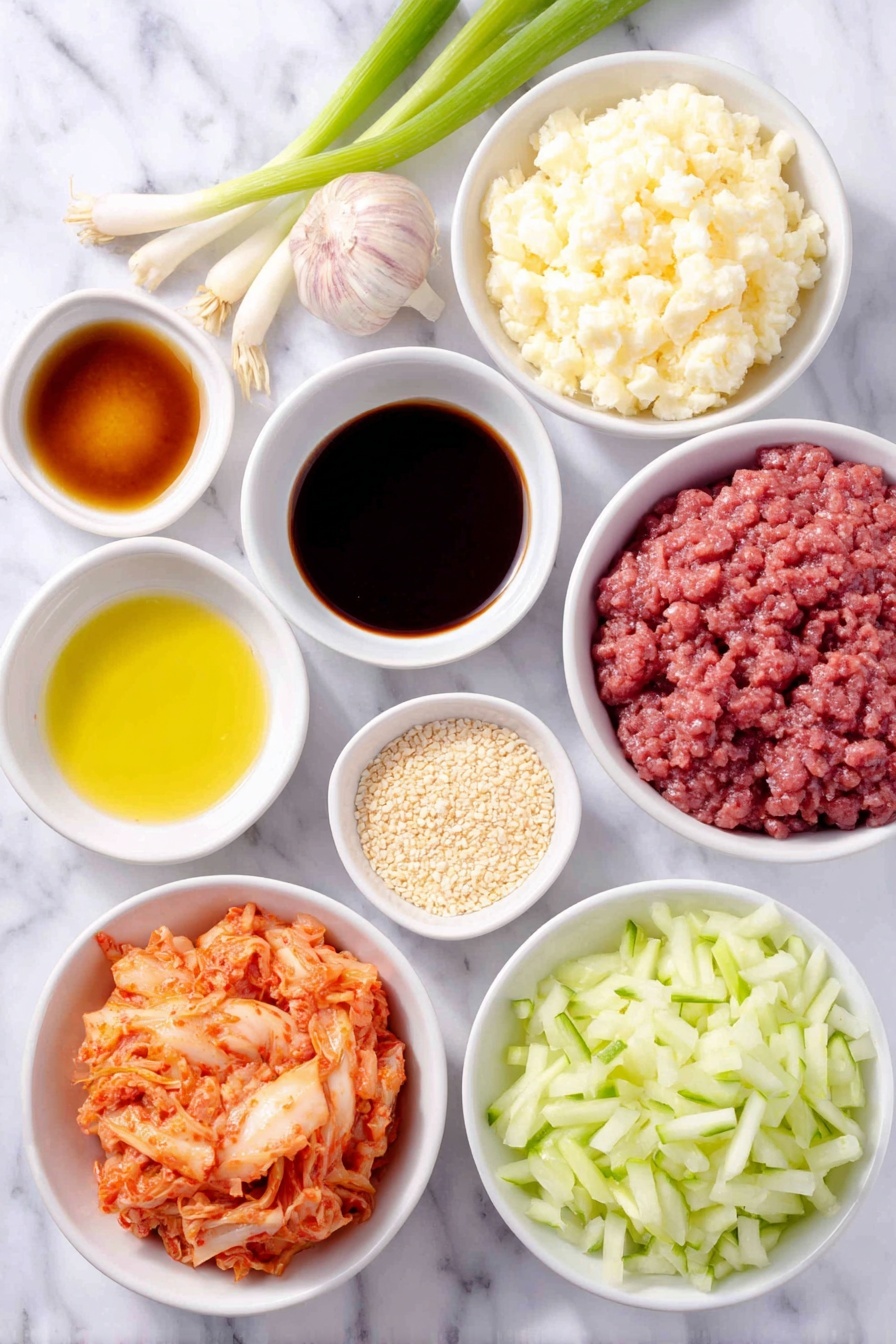
- Freshly grated garlic: Fresh is key here—you’ll taste the difference compared to pre-minced garlic.
- Freshly grated ginger: Adds brightness and a subtle zing; try to use fresh rather than powdered.
- All-purpose soy sauce: Use a naturally brewed one for deeper flavor, and low-sodium if you want to control saltiness.
- Brown sugar: Brings just the right touch of sweetness to balance the heat and salt.
- Sesame oil: This toasted oil adds that signature nutty aroma; a little goes a long way.
- Gochujang: Korean chili paste that packs spicy, umami flavor—adjust according to your spice preference.
- Rice vinegar: Adds a mild acidity that brightens the dish.
- Sesame seeds: Toast them lightly for extra crunch and nuttiness.
- Extra-virgin olive oil or neutral oil: For cooking the beef evenly without overpowering flavors.
- Minced (ground) beef: I usually go for 80/20 for juiciness and flavor.
- Spring onions (scallions): Freshly sliced for garnish and stirred through for a mild onion kick.
- Whole-egg mayonnaise: Creates that creamy base for our gochujang mayo drizzle.
- Cooked jasmine rice: Fragrant and fluffy, perfect for soaking up all the delicious sauce.
- Kimchi: Adds a tangy crunch and a spicy punch, making each bowl more exciting.
- Carrot: Julienned for a fresh, crisp texture contrast.
- Lebanese (short) cucumber: Sliced into half moons to keep things light and refreshing.
Variations
I love switching things up with this Korean Beef Rice Bowls with Gochujang Mayo Recipe depending on what’s in my fridge or mood—feel free to personalize it to your taste and dietary needs.
- Protein Swap: Tried it with ground turkey or chicken and it’s just as delicious if you prefer leaner meats.
- Vegetarian Version: Using crumbled tofu or cooked mushrooms instead of beef makes for a tasty plant-based twist.
- Spice Level: If you can’t handle much heat, reduce the gochujang or swap it for a mild chili paste; for extra kick, add some sriracha on top.
- Veggie Add-ins: Toss in steamed broccoli, snap peas, or bell peppers for more color and crunch.
How to Make Korean Beef Rice Bowls with Gochujang Mayo Recipe
Step 1: Whisk Together the Flavor-Packed Sauce
Start by combining freshly grated garlic and ginger with soy sauce, brown sugar, sesame oil, gochujang, rice vinegar, and toasted sesame seeds in a small bowl. Whisk everything thoroughly until the sugar dissolves and the sauce is smooth. This mix is the flavor powerhouse for your beef, and making it ahead lets those bold tastes really come together.
Step 2: Brown the Beef to Perfection
Heat oil in a large frying pan over medium-high heat. Add your ground beef and let it sizzle—don’t crowd the pan! Use a wooden spoon to break the meat into bite-sized pieces as it cooks. You’re aiming for beautiful caramelization, which amps up the flavor. Once browned, pour over the sauce you whisked earlier. Stir well, then simmer for 2–3 minutes until it thickens slightly and clings to the beef. Turn off the heat and fold in the sliced spring onions for freshness.
Step 3: Whisk the Creamy Gochujang Mayo Drizzle
While the beef simmers, mix whole-egg mayonnaise with gochujang, sesame oil, and rice vinegar in a small bowl. Whisk until smooth and creamy. This sauce is what really sets this bowl apart—a creamy, spicy drizzle that mellows out the richness of the beef.
Step 4: Assemble Your Bowls
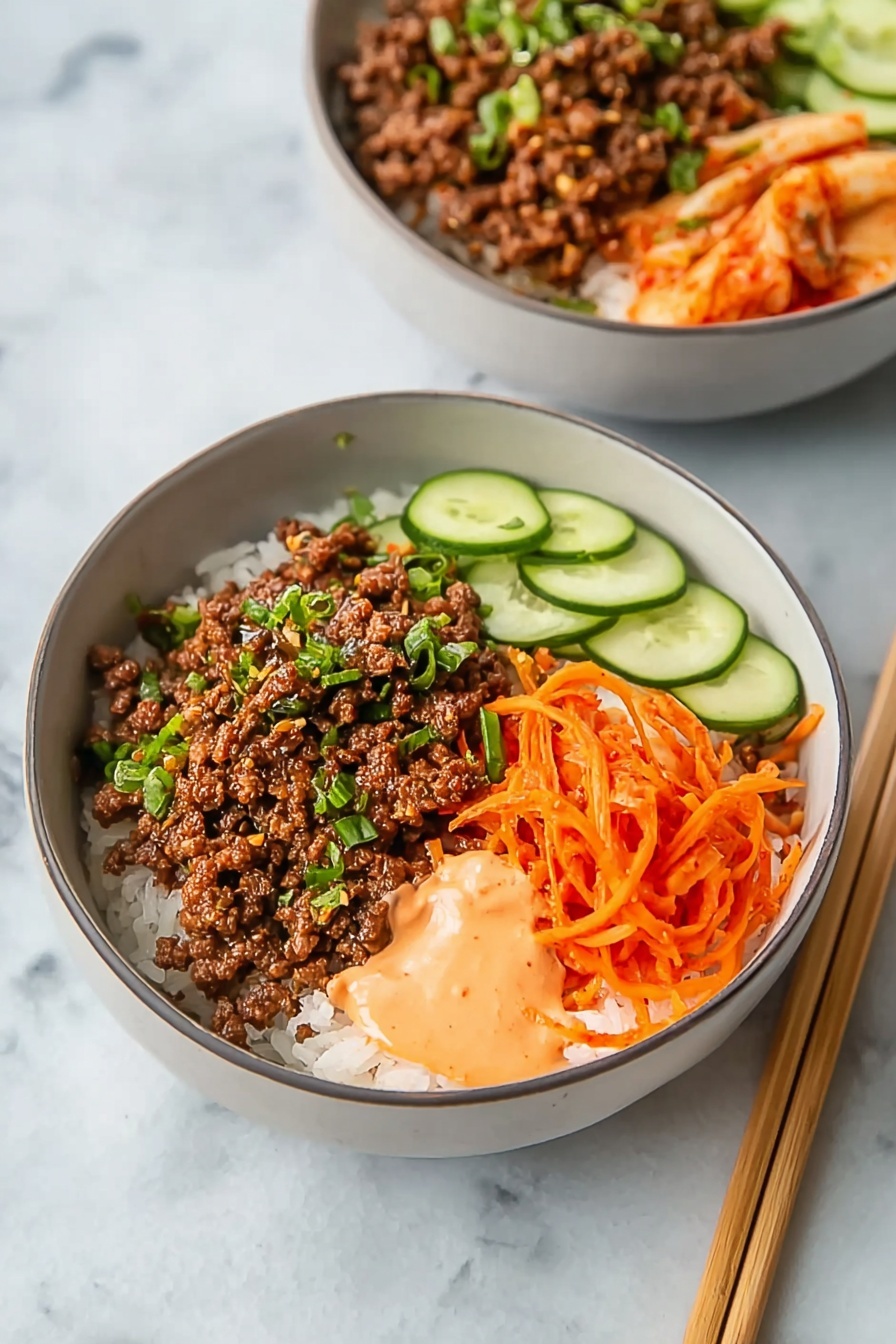
Spoon cooked jasmine rice into each bowl as your base. Top generously with the saucy Korean beef, then add a heaping spoonful of kimchi for that tangy crunch. Layer on julienned carrot and cucumber slices for freshness and texture. Finally, drizzle your luscious gochujang mayo over everything, and finish with a sprinkle of extra sesame seeds and those reserved spring onions. Serve immediately and watch everyone dig in!
Pro Tips for Making Korean Beef Rice Bowls with Gochujang Mayo Recipe
- Use Fresh Ingredients: Fresh garlic and ginger really brighten the entire dish—skip the powders for best flavor.
- Don’t Overcrowd the Pan: Browning the beef in batches if needed helps achieve that caramelized crust instead of steaming.
- Toast Your Sesame Seeds: Lightly toasting boosts their nuttiness and adds a subtle crunch to the final dish.
- Adjust Gochujang to Taste: Start with less if you’re spice-shy—you can always add more to the mayo drizzle.
How to Serve Korean Beef Rice Bowls with Gochujang Mayo Recipe
Garnishes
I love topping my bowls with extra toasted sesame seeds and sliced spring onions—the sesame seeds add crunch while the spring onions add a fresh, bright pop that cuts through the richness. Sometimes, I also throw on a sprinkle of crushed peanuts for texture and a wedge of lime for a citrusy lift.
Side Dishes
Kimchi is a must here—not just as a topping but also on the side for extra tang and spice. I also like serving it with a simple cucumber salad or steamed edamame to keep things light and balanced. If you want more veggies, quick-pickled radishes or blanched spinach dressed with sesame oil work perfectly.
Creative Ways to Present
For special occasions, I’ve plated this dish in pretty bowls layered with colorful veggies arranged on top in neat little piles before drizzling the gochujang mayo artistically. Adding edible flowers or microgreens can elevate it further. Another fun idea is to serve it as lettuce wraps for a hands-on dinner everyone loves.
Make Ahead and Storage
Storing Leftovers
I usually store leftover beef and sauce separately from the rice and fresh veggies in airtight containers in the fridge. This keeps the rice from getting soggy and the veggies fresh. The beef mixture stays delicious for up to 3 days.
Freezing
I’ve frozen the cooked beef mixture successfully in portions for up to 2 months. Just thaw overnight in the fridge and reheat on the stove. While the texture stays great, I recommend adding fresh vegetables when serving to keep that crisp contrast.
Reheating
Reheat the beef gently in a skillet over medium heat to avoid drying it out. Warm the rice separately in the microwave or steamed. Then assemble with fresh veggies and gochujang mayo just before serving for the best flavor and texture.
FAQs
-
Can I make this Korean Beef Rice Bowls with Gochujang Mayo Recipe gluten-free?
Yes! Simply swap the all-purpose soy sauce for tamari or a gluten-free soy sauce alternative. Make sure your gochujang paste is gluten-free as well, as some brands include wheat.
-
How spicy is the gochujang mayo drizzle?
The mayo balances the heat from the gochujang, so the drizzle is creamy with a mild to moderate spicy kick. You can easily adjust the amount of gochujang in the mayo to suit your spice tolerance.
-
Can I prepare parts of this dish ahead of time?
Absolutely! The sauce and cooked beef keep well in the fridge for a couple of days. You can prep the gochujang mayo in advance too. Just add fresh veggies and assemble the bowls right before serving for optimal crunch.
-
What can I substitute if I don’t have gochujang?
If gochujang is hard to find, you can mix sriracha with a little miso paste or red chili paste combined with a touch of honey for sweetness. The flavor won’t be exactly the same but still nicely spicy and umami-rich.
Final Thoughts
This Korean Beef Rice Bowls with Gochujang Mayo Recipe holds a special place in my kitchen rotation because it’s just so darn satisfying—and deceptively simple. The way the spicy, sweet, savory beef pairs with creamy mayo and fresh, tangy bites always delights everyone around the table. Give this recipe a whirl, and I promise it’ll quickly become one of your favorite comfort food go-tos. Happy cooking, and even happier eating!
Print
Korean Beef Rice Bowls with Gochujang Mayo Recipe
- Prep Time: 10 minutes
- Cook Time: 10 minutes
- Total Time: 20 minutes
- Yield: 4 servings
- Category: Main Course
- Method: Frying
- Cuisine: Korean
Description
Quick and flavorful Korean Beef Rice Bowls featuring savory minced beef cooked with a rich gochujang and soy-based sauce, served over jasmine rice with tangy kimchi, fresh vegetables, and a creamy gochujang mayo drizzle. A perfect weeknight meal that’s easy to customize and packed with bold Korean-inspired flavors.
Ingredients
For the Korean Beef:
- 1 tsp freshly grated garlic
- 1 tsp freshly grated ginger
- 3 tbsp all-purpose soy sauce
- 2 tbsp brown sugar
- 1 tbsp sesame oil
- 1 tbsp gochujang (adjust for spice preference)
- 1 tsp rice vinegar
- 1 tbsp sesame seeds, plus extra to garnish
- 2 tbsp extra-virgin olive oil or neutral oil
- 500 g (1 lb) minced (ground) beef
- 2 spring onions (scallions), finely sliced, 1 tbsp reserved for garnish
For the Gochujang Mayo:
- 3 tbsp whole-egg mayonnaise
- 1 tsp gochujang
- ½ tsp sesame oil
- ½ tsp rice vinegar
To Serve:
- 2 cups (370 g) cooked jasmine rice
- 1 cup (240 g) kimchi
- 1 carrot, julienned
- 1 Lebanese (short) cucumber, sliced into half moons
Instructions
- Prepare the Stir-Fry Sauce: In a small bowl, whisk together the grated garlic, grated ginger, soy sauce, brown sugar, sesame oil, gochujang, rice vinegar, and sesame seeds until fully combined. Set this mixture aside to use as the stir-fry sauce.
- Cook the Beef: Heat the olive or neutral oil in a large frying pan over medium-high heat. Add the minced beef and cook thoroughly, breaking it up into small pieces as it browns evenly.
- Add the Sauce to the Beef: Pour the prepared stir-fry sauce over the browned beef and stir well to coat every bit. Allow it to simmer gently for 2 to 3 minutes, until the sauce thickens slightly. Turn off the heat and stir in the finely sliced spring onions.
- Mix the Gochujang Mayo: In a separate small bowl, whisk together the whole-egg mayonnaise, gochujang, sesame oil, and rice vinegar until the sauce is smooth and well blended. Set aside.
- Assemble the Bowls: Divide the cooked jasmine rice evenly among four serving bowls. Top each with a generous portion of the Korean beef mixture, then add a serving of kimchi, julienned carrot, and sliced cucumber. Drizzle the gochujang mayo over the top of each bowl and garnish with extra sesame seeds and reserved spring onions.
- Serve Immediately: Serve the bowls while warm for the best flavor and texture experience.
Notes
- This is a quick and satisfying recipe for a bold Korean-inspired dish, perfect for weeknight dinners.
- The gochujang mayo adds a creamy, spicy element but can be adjusted or omitted for dietary preferences.
- Gochujang can be substituted with a mix of chili paste and miso if unavailable.
- Kimchi provides tang and crunch – substituting with pickled vegetables is possible but will alter the authenticity.
- This dish is easily customizable by adding more fresh vegetables or switching the beef to other ground meats or plant-based alternatives.
Nutrition
- Serving Size: 1 bowl (approximately 1/4 of recipe)
- Calories: 516
- Sugar: 9.1 g
- Sodium: 782.1 mg
- Fat: 24.2 g
- Saturated Fat: 4.9 g
- Unsaturated Fat: 18.9 g
- Trans Fat: 0.1 g
- Carbohydrates: 41.8 g
- Fiber: 2.5 g
- Protein: 32.6 g
- Cholesterol: 79.3 mg