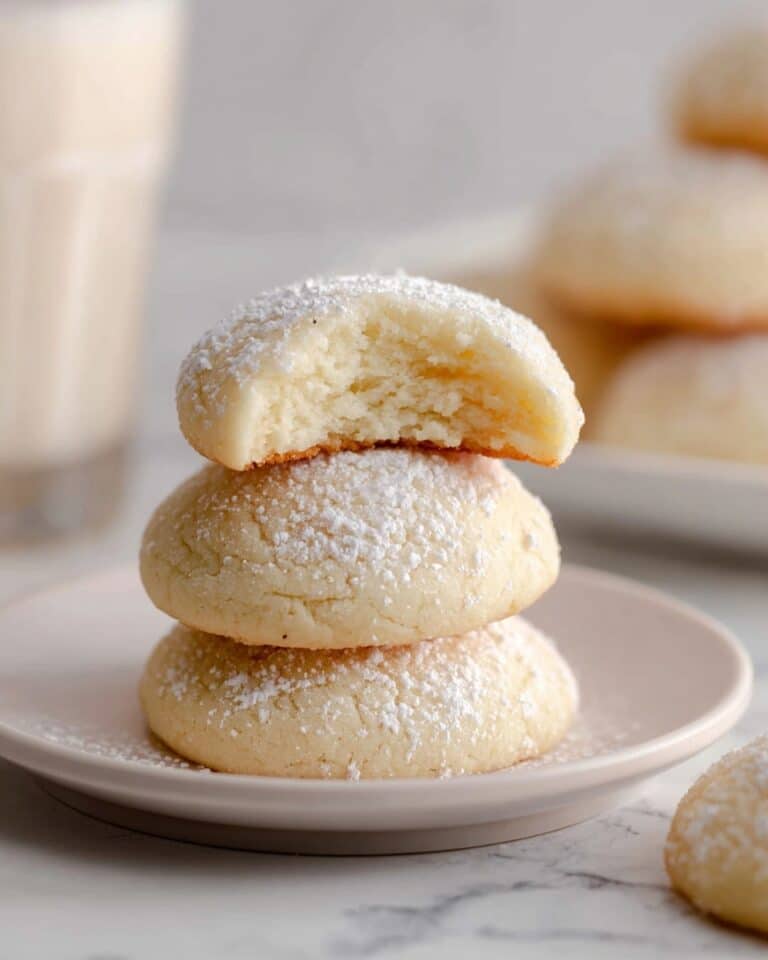


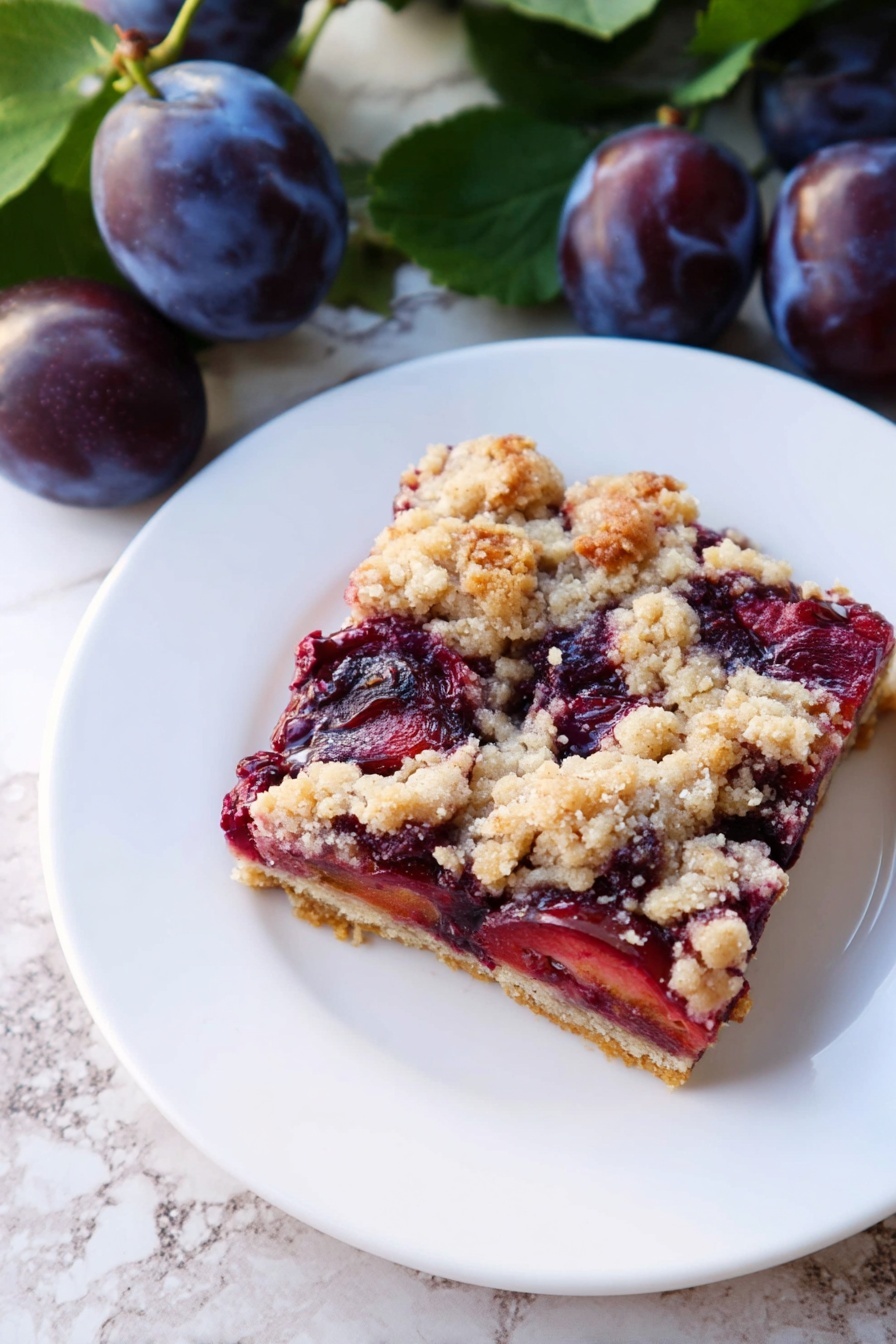
If you’re looking for a dessert that feels like a warm hug from Germany, you have to try my German Plum Cake with Yeast Dough Recipe. This cake has the perfect balance of a tender, yeasty crust hugged by juicy, slightly tart Italian plums and crowned with a buttery, cinnamon-spiced streusel. When I first tried this traditional Zwetschgenkuchen, I was amazed at how simple ingredients meld into a showstopper that will have everyone asking for seconds. Whether you’re a longtime fan of fruit cakes or a newbie, this recipe is fan-freaking-tastic and I can’t wait to share all my tips to help you nail it on the first try.
Why You’ll Love This Recipe
- Perfect Yeast Dough: Soft, slightly sticky, and wonderfully airy—this dough is what sets this cake apart from your regular fruit tarts.
- Seasonal Freshness: Juicy Italian plums bring a natural tartness that complements the sweet, buttery streusel perfectly.
- Family Favorite: My kids and guests can’t get enough of this cake, and I bet yours will agree once they try it!
- Simple Yet Impressive: Despite a few steps, it’s surprisingly easy—no fancy equipment needed, just some patience and love.

Ingredients You’ll Need
This recipe calls for straightforward ingredients that come together to create that effortlessly delicious German Plum Cake. I recommend using fresh, ripe Italian plums for the best flavor, and good-quality vanilla extract really makes a difference in the dough.
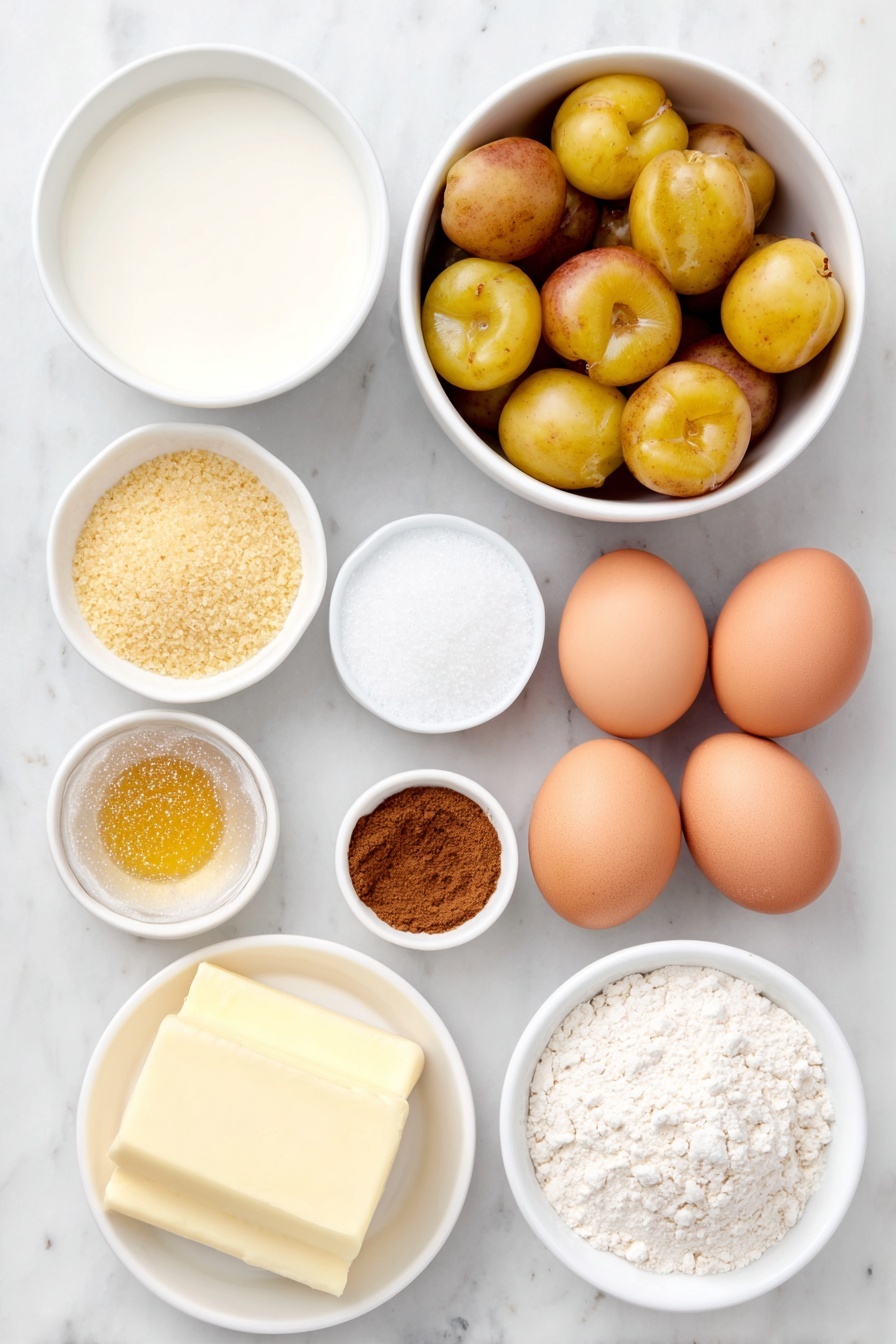
- Italian plums: Choose firm but ripe plums; their tartness balances the sweet dough and streusel beautifully.
- Warm milk: Use warm, not hot, to activate the yeast properly without killing it.
- Dry active yeast: This is what gives the dough that wonderful rise and chewiness.
- All-purpose flour: The foundation for both the dough and streusel—measure carefully for texture.
- Sugar: Just the right amount to sweeten without overpowering the plum’s natural flavor.
- Salt: Balances sweetness and strengthens the dough’s structure.
- Butter: Melted but not hot for the dough, and softened for the streusel—both add rich flavor.
- Eggs: Provide structure and richness to the yeast dough.
- Pure vanilla extract: A little touch that brightens the dough’s taste.
- Ground cinnamon (for streusel): Adds a warm spice note that pairs beautifully with plums.
Variations
I love making this cake just as the recipe calls for, but it’s also great for playing around with flavors. Adding your special touch makes the German Plum Cake with Yeast Dough Recipe truly your own.
- Use different fruit: If Italian plums aren’t in season, try ripe apricots or cherries—the dough and streusel still work beautifully.
- Lighter streusel: Swap half of the butter with applesauce for a less rich topping, my family actually enjoyed this lighter version in warmer months.
- Spiced streusel: Add a pinch of nutmeg or cardamom to the streusel for a warm, cozy flavor twist.
- Gluten-free adaptation: While I haven’t perfected it myself yet, some readers reported success using a gluten-free flour blend—just be mindful the texture will differ.
How to Make German Plum Cake with Yeast Dough Recipe
Step 1: Activate the Yeast
Start by dissolving your dry active yeast in 3/4 cup of warm milk. Make sure the milk is pleasantly warm—not hot—or it’ll kill the yeast. Let it sit for about 5 to 10 minutes until you see it frothing and bubbling up. This little foam is the yeast waking up, and it’s your assurance that the dough will rise beautifully.
Step 2: Mix and Knead the Dough
Next, combine the flour, sugar, and salt in your stand mixer bowl. Pour in the yeast mixture, melted butter that’s cool to the touch, the eggs, and vanilla extract. Give it an initial stir to bring it together before attaching your dough hook. Knead the dough on a low bread setting for about 4-5 minutes, adding the rest of your milk if the dough feels too thick. It’s sticky—that’s supposed to happen—but it should still hold together like a thick batter rather than a firm ball. Cover loosely with plastic wrap and find a warm, draft-free spot for it to rise until doubled in size, which usually takes about an hour.
Step 3: Shape and Add Plums
I like to generously butter a large German Backblech pan or a jelly roll pan to keep the dough from sticking and to help with browning. Press your risen dough into the pan with your hands, spreading it flat and pushing it right up the sides. It resists a bit because of the yeast, but don’t give up! The plums will help weigh it down in a minute. Arrange the quartered plums in close rows over the dough, skin side down. If you’re craving a sweeter cake, sprinkle just a little sugar or cinnamon-sugar over the plums, but lightly—too much sugar can make the cake soggy and cause the streusel to melt.
Step 4: Let It Rise Again and Prepare Streusel
Set the pan aside in a warm spot and let the cake rise again for up to an hour. Meanwhile, make the streusel by mixing flour, sugar, cinnamon, and room temperature butter with your fingers until you get a crumbly, sand-like texture with some clumps. When your cake has puffed slightly, sprinkle the streusel evenly over the plums.
Step 5: Bake and Cool
Bake your cake on the middle rack in a preheated 350°F oven for about 30-35 minutes until the streusel is golden and crunchy on top. Don’t rush slicing it—let the cake rest for at least 10 minutes after baking. This helps the juices set so you get firm squares instead of a watery mess. Then slice and serve; I promise your kitchen will smell heavenly!
Pro Tips for Making German Plum Cake with Yeast Dough Recipe
- Keep Yeast Happy: Always check your yeast’s expiration date and make sure the milk is just warm enough; it’s the secret to a lively dough rise.
- Resist Adding Too Much Flour: The dough is stickier than typical bread dough—don’t be tempted to add extra flour or the cake will be dense.
- Be Gentle With the Dough: Press the dough with your hands, not a rolling pin; letting it stretch on its own keeps it light.
- Don’t Skip the Resting Time: Letting the cake cool slightly before cutting helps the juices thicken and keeps your slices neat.
How to Serve German Plum Cake with Yeast Dough Recipe
Garnishes
I usually keep it simple and dust the cake lightly with powdered sugar for a pretty finish. Sometimes, I add a dollop of fresh whipped cream or a scoop of cold vanilla ice cream—both elevate it into a dreamy dessert, especially on cooler evenings.
Side Dishes
While the cake stands beautifully on its own, it pairs wonderfully with a hot cup of coffee or fragrant black tea. For brunch gatherings, I like to serve it alongside fresh fruit or a light cheese plate to balance the sweetness.
Creative Ways to Present
For special occasions, I’ve tried layering this cake in a trifle bowl with whipped cream and plum compote between layers—super festive and fun! You can also cut smaller squares and serve them on decorative plates with a drizzle of caramel sauce for a fancy touch.
Make Ahead and Storage
Storing Leftovers
I store leftover German Plum Cake covered tightly with plastic wrap or in an airtight container at room temperature for up to two days. The crust stays pleasantly soft, and the plums keep juicy without drying out.
Freezing
You can definitely freeze slices in airtight bags for up to two months. When I do this, I like to separate slices with parchment paper so they don’t stick together. When ready to eat, thaw overnight in the fridge.
Reheating
To bring back that freshly baked feel, warm slices gently in an oven preheated to 300°F for about 8-10 minutes. Avoid microwaving, as it tends to make the crust chewy instead of crisp.
FAQs
-
Can I use frozen plums for this German Plum Cake with Yeast Dough Recipe?
Frozen plums can work in a pinch, but they tend to release more liquid, which can make the dough soggy. If you use frozen, thaw them completely, drain excess juice, and pat dry to avoid too much moisture on the dough.
-
Is it possible to make this cake without a stand mixer?
Absolutely! You can mix and knead by hand, though it’ll take a bit more time and elbow grease. Just mix ingredients in a large bowl, then knead on a floured surface for about 8-10 minutes until the dough is smooth and slightly sticky.
-
What’s the best way to tell when the cake is done baking?
Look for golden brown streusel on top, and check that the edges pull slightly away from the pan. If you gently press the streusel and plum area, it should feel set and not too jiggly.
-
Can I make the dough ahead of time?
Yes! You can prepare the dough the night before and leave it to rise slowly in the fridge overnight. Bring it to room temperature before shaping and adding plums, then continue with the recipe.
Final Thoughts
This German Plum Cake with Yeast Dough Recipe has a special place in my heart—not just because of its incredible flavor, but because of the memories it evokes in my family kitchen. It’s a recipe that takes some patience but is totally worth it for the joyful reactions at the first bite. When you try it for yourself, you’ll discover how that tender yeast dough, the fresh plums, and crunchy streusel come together in one delicious, comforting slice. Trust me, this one’s going to be a keeper in your recipe collection—and I can’t wait to hear how you make it your own!
Print
German Plum Cake with Yeast Dough Recipe
- Prep Time: 120 minutes
- Cook Time: 30 minutes
- Total Time: 150 minutes
- Yield: 12 servings
- Category: Dessert
- Method: Baking
- Cuisine: German
Description
This traditional German Plum Cake, known as Zwetschgenkuchen, features a soft yeast dough topped generously with fresh Italian plums and a buttery cinnamon streusel. Originating from the southern region of Swabia, this delightful cake combines a slightly sweet, tender crust with juicy fruit and a crumbly topping, perfect for any seasonal dessert or teatime treat.
Ingredients
Dough Ingredients
- 3+ pounds Italian plums, cut into quarters, pits removed
- 1 cup warm milk (start with 3/4 cup and add extra as needed)
- 1 1/2 tablespoons dry active yeast
- 4 cups all-purpose flour
- 3/4 cup sugar
- 1/2 teaspoon salt
- 1 stick butter (1/2 cup melted but not hot)
- 2 eggs
- 1 teaspoon quality pure vanilla extract
Streusel Topping
- 1 cup all-purpose flour
- 1 cup sugar
- 1 teaspoon ground cinnamon
- 1/2 cup butter, at room temperature
Instructions
- Activate Yeast: Dissolve the dry active yeast into 3/4 cup of warm milk and let it sit for 5-10 minutes until the mixture is frothy, indicating the yeast is active.
- Prepare Dough: In the bowl of a stand mixer, combine 4 cups of flour, sugar, and salt. Add the yeast mixture, melted butter (warm but not hot), eggs, and vanilla extract. Stir initially to combine the ingredients.
- Knead Dough: Attach the dough hook to the mixer and knead on the bread setting (speed 2) for 4-5 minutes, adding the remaining 1/4 cup of milk as needed to help form a sticky but cohesive dough that resembles a thick batter rather than a firm ball.
- First Rise: Cover the dough loosely with plastic wrap and place it in a warm, draft-free area to rise for about 1 hour, or until it has roughly doubled in size.
- Prepare Pan and Shape Dough: Generously butter a large jelly roll pan or a German Backblech (at least 18 inches long with 1 inch sides). Using your hands, spread the sticky dough evenly across the pan, pressing it gently to reach up the sides. The dough’s elasticity will resist but keep working it into place.
- Add Plums: Arrange the quartered plums in neat, close rows over the entire surface of the dough. For a slightly sweeter cake, you may lightly sprinkle sugar or cinnamon-sugar on top; avoid adding too much to prevent sogginess and melting of the streusel topping.
- Second Rise: Set the pan back in a warm spot and allow the assembled cake to rise for up to another hour to develop flavor and texture.
- Make Streusel: Combine flour, sugar, cinnamon, and room temperature butter in a medium bowl. Use your fingers to mix and crumble the ingredients until you achieve a coarse, sandy, and clumpy texture.
- Apply Streusel: Evenly sprinkle the streusel topping across the surface of the plums and dough.
- Bake Cake: Preheat your oven to 350°F (175°C). Bake the cake on the middle rack for 30-35 minutes until the streusel is golden and the plums have softened.
- Cool and Serve: Let the cake sit at room temperature for at least 10 minutes to allow the juices to set. Slice into squares and enjoy.
Notes
- This cake hails from southern Swabia in Germany and is celebrated for its yeast-based crust and buttery streusel topping.
- Handling sticky dough requires patience; use buttered hands or a spatula to aid spreading in the pan.
- Lightly sprinkling sugar atop the plums is optional; too much can make the cake watery and affect the streusel texture.
- Allowing the cake to rest after baking helps the juices solidify, making slicing easier and cleaner.
- You can substitute Italian plums with other firm, small plums if unavailable.
Nutrition
- Serving Size: 1 serving (1/12 of cake)
- Calories: 391
- Sugar: 30 g
- Sodium: 177 mg
- Fat: 9 g
- Saturated Fat: 5 g
- Unsaturated Fat: 4 g
- Trans Fat: 0 g
- Carbohydrates: 71 g
- Fiber: 1 g
- Protein: 6 g
- Cholesterol: 47 mg