
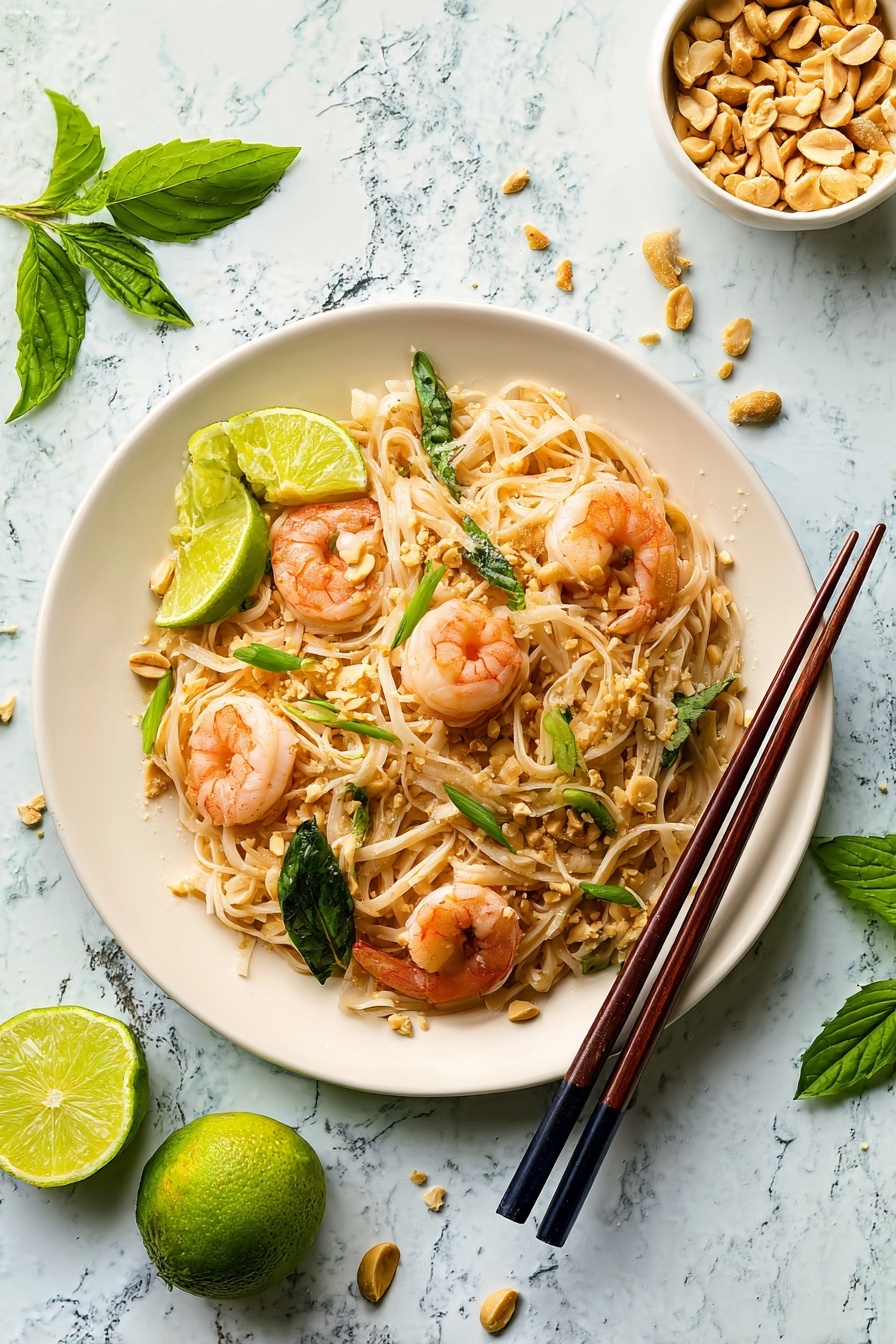
If you’re craving something bursting with flavor but still quick enough for a weeknight, you’re gonna love this Easy Shrimp Pad Thai Recipe. It’s one of those dishes that looks fancy but is totally doable even if you’re busy or new to cooking Thai food. I remember the first time I tried making Pad Thai at home—I was intimidated, but once I nailed this, it quickly became a family favorite. Keep reading and I’ll walk you through every step to make sure your version turns out just as delicious.
Why You’ll Love This Recipe
- Quick and Easy: This recipe comes together in about 25 minutes—perfect for busy nights when you want a tasty meal fast.
- Authentic Flavors: The sauce balances sweet, salty, sour, and spicy notes just like you’d get in a Thai restaurant.
- Protein-Packed: With shrimp, eggs, and tofu, it’s satisfying and keeps you full without feeling heavy.
- Customizable: Easily swap ingredients or spice levels to suit your family’s taste buds.

Ingredients You’ll Need
I love how simple yet flavorful the ingredient list is here. Each one plays a role, whether it’s the silky rice noodles, the crunch from bean sprouts, or the vibrant freshness of lime. When you’re shopping, try to find good quality rice noodles and fresh shrimp—they really make a difference.
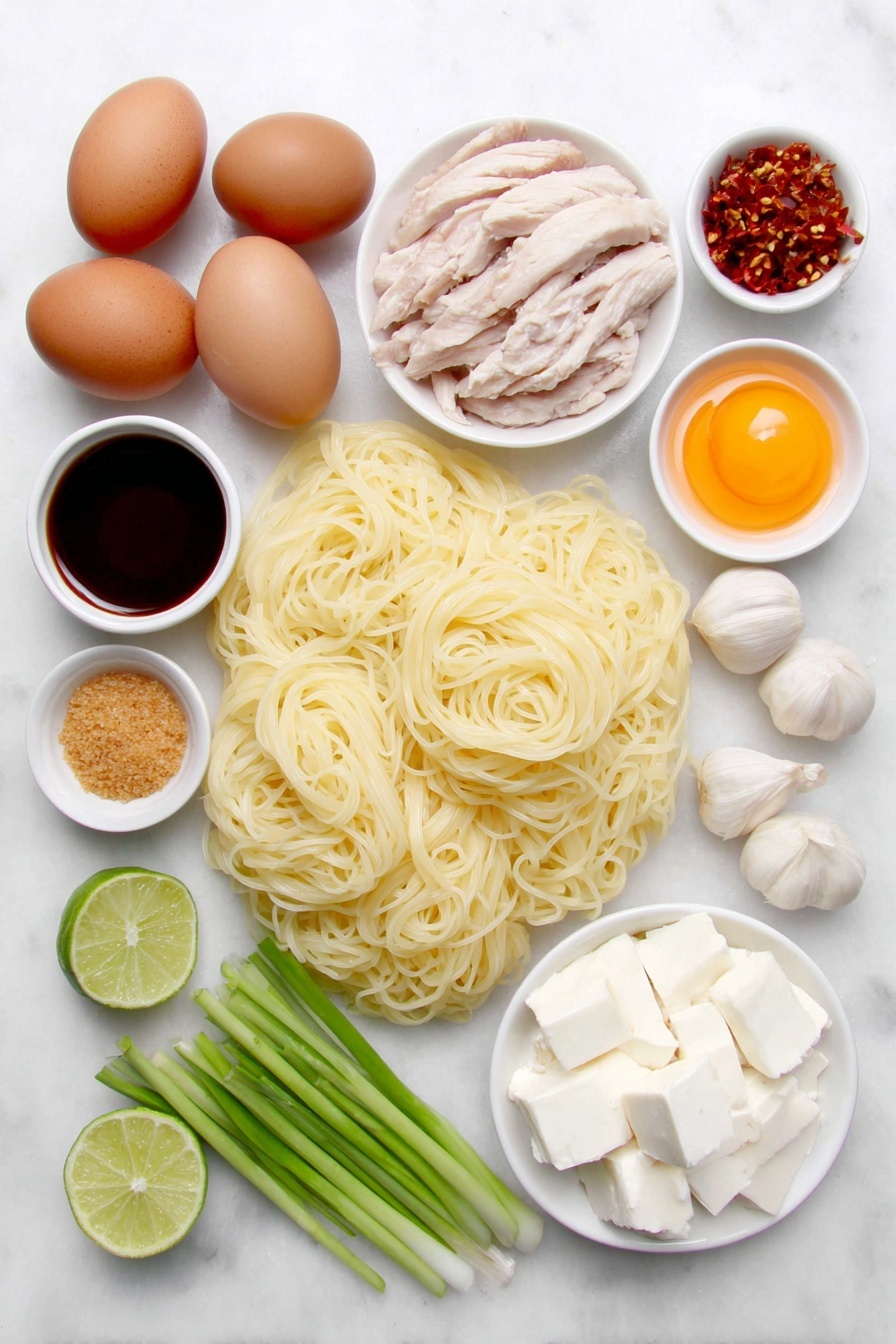
- Rice Noodles: Choose thin or medium-width rice noodles; they soften quickly and absorb the sauce beautifully.
- Oil (Peanut or Avocado): These oils have high smoke points and neutral flavors, perfect for stir-frying.
- Garlic: Finely minced for that irresistible aroma that hits your nose first.
- Shrimp: Medium-sized, shelled, and deveined for quick cooking and easy eating.
- Fried Tofu (optional): Adds extra texture and protein—skip it if you’re short on time or prefer just shrimp.
- Eggs: Using one whole egg and one egg white keeps it light but still rich.
- Bean Sprouts: Provides crisp freshness that balances the noodles perfectly.
- Chinese Chives or Scallions: Adds a mild onion flavor and color contrast.
- Crushed Peanuts: For that classic Pad Thai crunch and nuttiness.
- Lime Wedges: Essential for squeezing over the finished dish for a bright zing.
- Fish Sauce: A must-have umami booster—go for a quality brand like Thai Kitchen for gluten-free versions.
- Sugar: Balances the saltiness and acidity to create that signature Pad Thai flavor.
- Water: Helps blend the sauce smoothly without overpowering.
- Rice Vinegar: Adds a hint of tartness to brighten the sauce.
- Chili Powder: Adjust depending on how spicy you like your meal.
Variations
I know we all like putting our own spin on things, so here are a few tweaks I’ve made over time. Don’t hesitate to make this Easy Shrimp Pad Thai Recipe your own by mixing it up based on what’s in your kitchen or your mood that day.
- Vegetarian Version: I swapped shrimp for extra firm tofu and upped the bean sprouts and chives—still just as tasty!
- Spice Level: Add more chili powder or a splash of sriracha if you like it fiery; I usually keep it mild for the family.
- Protein Swap: Chicken or thinly sliced beef works in place of shrimp if that’s what you’ve got on hand.
- Nut Alternatives: If peanuts aren’t your thing, toasted cashews or almonds bring a nice crunch too.
How to Make Easy Shrimp Pad Thai Recipe
Step 1: Soften the Rice Noodles Just Right
This part is crucial. Follow the package instructions carefully—usually a quick soak or brief boil. I like to keep my noodles soft but with a bit of chew, so watch them closely. Overcooked noodles get mushy and nobody wants that. Once done, rinse them under cold running water to stop the cooking and prevent sticking.
Step 2: Mix the Flavorful Sauce
Combine the fish sauce, sugar, water, rice vinegar, and chili powder in a small bowl. I typically whisk it until the sugar dissolves completely so every bite is consistent. Set this mixture aside—this sauce is what gives your Pad Thai that authentic sweet-savory-tangy kick.
Step 3: Cook the Aromatics and Shrimp
Heat your skillet or wok on high, then add the oil. The second you smell the garlic’s fragrance, toss in the shrimp and tofu slices. Stir fast! You want the shrimp to turn opaque pink but not overcook—it only takes a minute or two. This quick sear locks in juiciness and flavor.
Step 4: Add Noodles, Eggs, and Sauce
Throw the noodles into the pan, stirring continuously for about 30 seconds. Push the noodles aside, crack the eggs into the cleared space, and break the yolks. Let them set for about 30 seconds until slightly cooked, then mix everything together. Pour in your sauce and stir well—this is where your dish comes alive with flavor.
Step 5: Toss in Fresh Veggies and Finish
Add the bean sprouts and chives. Give it a good stir until they just start to soften but still keep that fresh crunch. Sprinkle your crushed peanuts on top right before turning off the heat—you want that satisfying texture front and center. Serve immediately with lime wedges for squeezing over each plate.
Pro Tips for Making Easy Shrimp Pad Thai Recipe
- Don’t Overcook Shrimp: They go from tender to rubbery fast, so pull them off heat as soon as they’re pink.
- Watch the Noodles: Under-soaked noodles can be crunchy, over-soaked turn mushy; always test a strand before draining.
- Stir-fry on High Heat: This helps keep everything crisp and prevents soggy Pad Thai.
- Fresh Garnishes Matter: Lime and peanuts added last give you bursts of texture and acidity that brighten the dish.
How to Serve Easy Shrimp Pad Thai Recipe
Garnishes
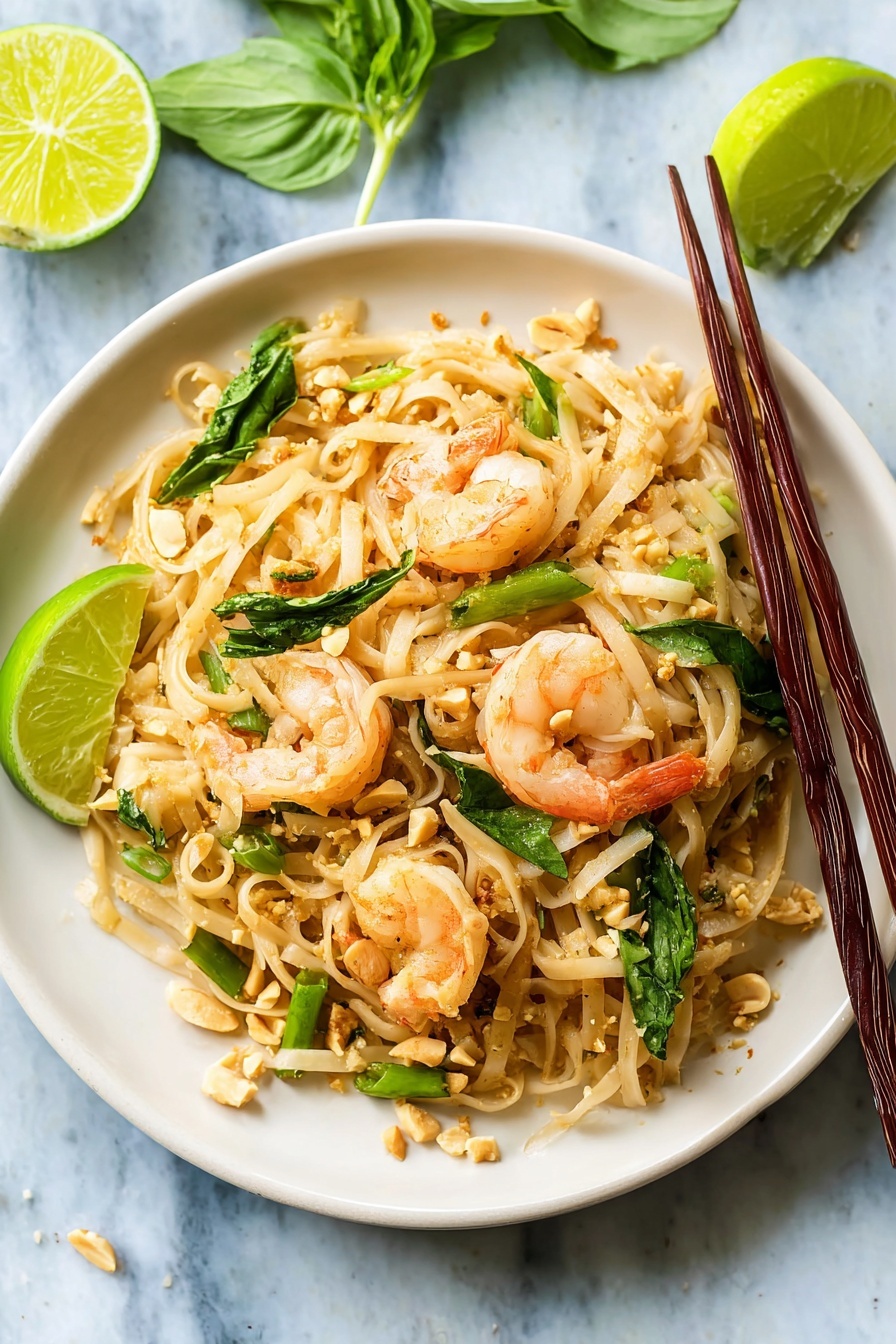
I love piling on extra crushed peanuts and a generous squeeze of lime right before eating. Sometimes I add fresh basil leaves, which give a subtle herbal note that I adore. If you like heat, add a sprinkle of chili flakes or a wedge of fresh Thai bird chili on the side.
Side Dishes
My go-to sides are a simple cucumber salad or steamed jasmine rice if you want more carbs. For something heartier, light vegetable spring rolls or a crunchy papaya salad complement this dish beautifully.
Creative Ways to Present
For special occasions, I’ve served this in individual banana leaf bowls to impress guests—it feels festive and authentic. You can also plate it with edible flowers and extra herbs to elevate the visual wow factor at dinner parties.
Make Ahead and Storage
Storing Leftovers
I usually store leftovers in an airtight container in the fridge for up to two days. The noodles might soak up some sauce and get a bit softer, but reheating helps bring them back to life.
Freezing
I don’t typically freeze Pad Thai because the texture of bean sprouts and fresh herbs doesn’t freeze well. But if you want, freeze before adding vegetables and garnish, then add fresh stuff after thawing and reheating.
Reheating
The best way to reheat is in a hot skillet or wok over medium heat—toss frequently until warmed through. This helps restore a bit of the stir-fried texture instead of microwaving and ending up soggy.
FAQs
-
Can I use dried shrimp or other seafood instead of fresh shrimp?
Absolutely! Dried shrimp can add an intense umami flavor but use sparingly since it’s saltier and more concentrated. Other seafood like scallops or squid can be great substitutes, just adjust cooking times accordingly since textures vary.
-
What’s the best way to cook rice noodles without them sticking?
Soak or boil according to package directions, then rinse immediately with cold water to stop cooking. Toss noodles with a little oil if not using right away, and try not to cook them too far in advance to avoid clumping.
-
Can I make this recipe gluten-free?
Yes! Just verify that your fish sauce and rice vinegar are gluten-free, which many brands like Thai Kitchen offer. Rice noodles are naturally gluten-free as well, making this dish suitable for gluten-sensitive diets.
-
How do I adjust the spice level?
Start with ½ teaspoon of chili powder and add more to taste. You can also offer chili flakes or hot sauce on the side so everyone can spice their own bowls.
Final Thoughts
This Easy Shrimp Pad Thai Recipe is one of those meals that feels special but comes together faster than you’d think. Every time I make it, it reminds me why homemade is best—the flavors hit differently when you craft them yourself. If you’re hesitating about trying your hand at Pad Thai, just go for it! With this step-by-step guide and a few insider tips, I’m confident you’ll wow your taste buds and maybe even impress your friends. Happy cooking!
Print
Easy Shrimp Pad Thai Recipe
- Prep Time: 10 minutes
- Cook Time: 15 minutes
- Total Time: 25 minutes
- Yield: 2 servings
- Category: Main Course
- Method: Stovetop
- Cuisine: Thai
- Diet: Gluten Free
Description
This easy homemade Pad Thai recipe is a lightened-up version of the original, featuring shrimp, eggs, and tofu. It’s packed with protein and delivers the classic sweet-tangy flavor you love, with a perfect balance of textures from chewy rice noodles to crunchy peanuts and fresh bean sprouts.
Ingredients
Main Ingredients
- 3 ounces packaged rice noodles (or rice sticks)
- 2 teaspoons oil (such as peanut oil or avocado oil)
- 1 clove garlic (finely minced)
- 8 ounces medium-sized shrimp (shelled and deveined)
- 2 ounces fried firm tofu (cut into slices, optional)
- 1 large egg
- 1 large egg white (or use whole egg if preferred)
- 5 ounces bean sprouts
- 1 ounce Chinese chives (or scallions, cut into 2-inch lengths)
- 1 tablespoon crushed peanuts
- Lime wedges (for serving)
- Basil (optional for garnish)
Seasoning Sauce
- 1 1/2 tablespoons fish sauce (Thai Kitchen brand for gluten free)
- 1 tablespoon sugar
- 2 tablespoons water
- 1 tablespoon rice vinegar
- 1/2 teaspoon chili powder (or more, to taste)
Instructions
- Cook the noodles: Follow the package instructions to cook the rice noodles until soft but still chewy, then rinse under cold running water to stop cooking and prevent sticking.
- Prepare the seasoning sauce: Mix fish sauce, sugar, water, rice vinegar, and chili powder in a small bowl until well combined and set aside.
- Heat the skillet and sauté garlic and proteins: Heat a large skillet over high heat and add oil. Once hot, add minced garlic and stir until fragrant. Quickly add shrimp and tofu slices and continue stirring until shrimp turns pink and opaque.
- Add noodles and eggs: Add the noodles to the skillet and stir continuously for about 30 seconds. Push noodles to one side of the skillet, crack the eggs onto the empty side, break the yolks with a spatula, and cook for another 30 seconds.
- Combine noodles, eggs, and sauce: Mix eggs and noodles together, then add the seasoning sauce. Stir well to evenly coat all ingredients.
- Add veggies and peanuts: Toss in the bean sprouts and Chinese chives, stirring until the bean sprouts are tender but still crunchy. Stir in crushed peanuts.
- Serve: Turn off heat and serve immediately with lime wedges on the side, garnished with fresh basil if desired.
Notes
- This recipe is a lighter, protein-packed version of traditional Pad Thai, making it a great choice for a nutritious meal.
- Use gluten-free fish sauce brands like Thai Kitchen to keep the recipe gluten-free.
- If you prefer vegetarian, omit shrimp and replace fish sauce with tamari or soy sauce substitute.
- Adjust chili powder quantity to your preferred spice level.
- Be careful not to overcook the noodles to keep the perfect chewy texture.
Nutrition
- Serving Size: 1/2 of recipe
- Calories: 420 kcal
- Sugar: 9.5 g
- Sodium: 1391 mg
- Fat: 18.5 g
- Saturated Fat: 3.2 g
- Unsaturated Fat: 14.8 g
- Trans Fat: 0 g
- Carbohydrates: 25 g
- Fiber: 2 g
- Protein: 40 g
- Cholesterol: 210 mg