
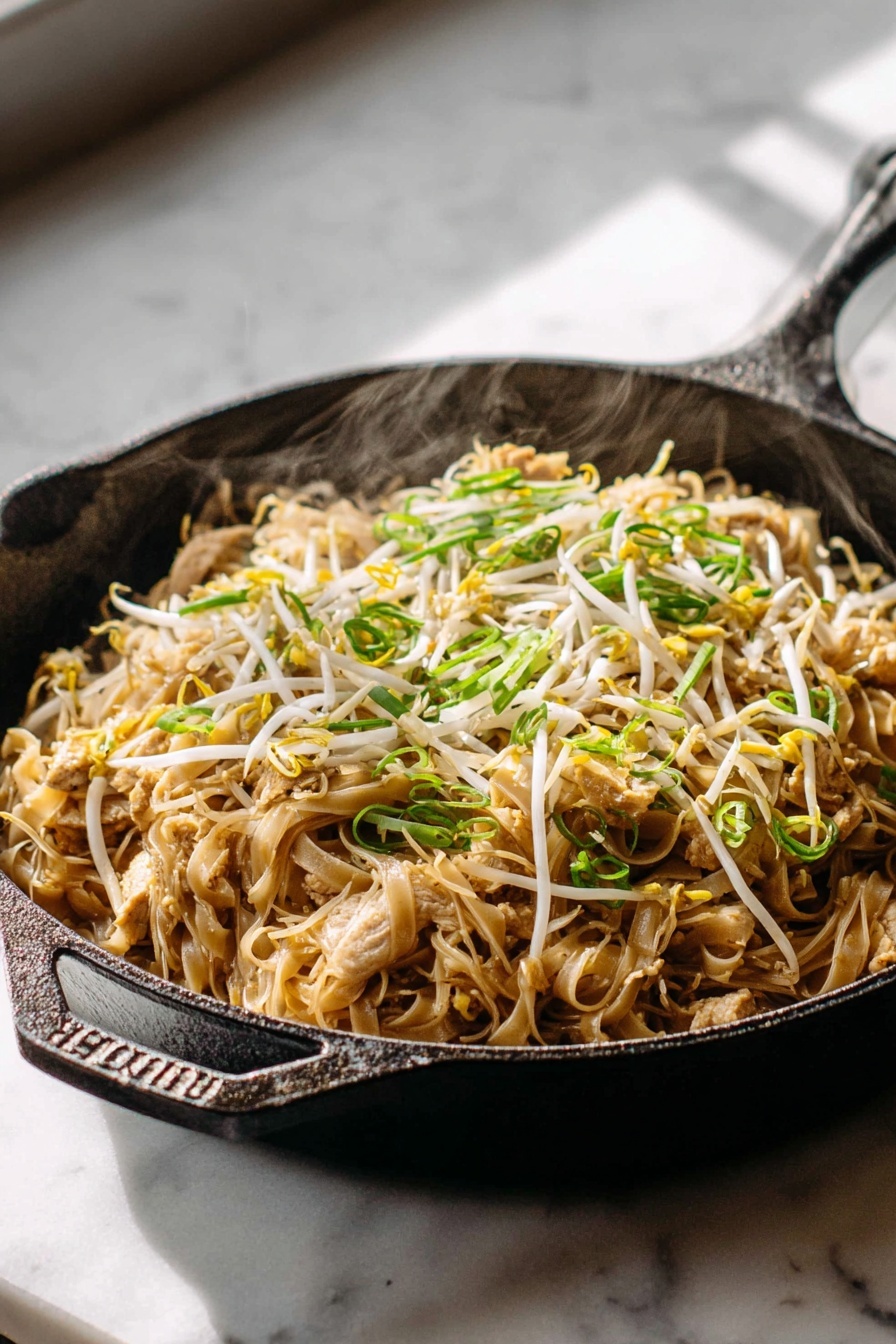
If you’ve ever craved that perfect blend of sweet, tangy, and savory flavors wrapped around tender noodles, you’re going to fall head over heels for this Easy Chicken Pad Thai Recipe. I promise, this is not your average takeout—it’s fresher, brighter, and packed with ingredients you can find at your local grocery store or Asian market. When I first tried making Pad Thai at home, I thought it was a daunting task, but this recipe changed the game for me. Stick around, and I’ll walk you through how to get a restaurant-quality dish right from your own kitchen.
Why You’ll Love This Recipe
- Authentic Flavor Profile: Combines tamarind, palm sugar, and fish sauce for that true Thai taste you crave.
- Simple Ingredients: Uses everyday pantry staples and fresh produce without complicated steps.
- Quick & Easy: Ready in about 30 minutes, perfect for busy weeknights or last-minute guests.
- Customizable: Easily swap chicken for tofu, shrimp, or veggies to suit your taste or diet.

Ingredients You’ll Need
These ingredients work together to deliver that classic Pad Thai flavor and texture we all adore. You’ll find that fresh rice noodles make the dish so much better, but I’ll also share tips for using dry noodles if that’s what you have on hand.
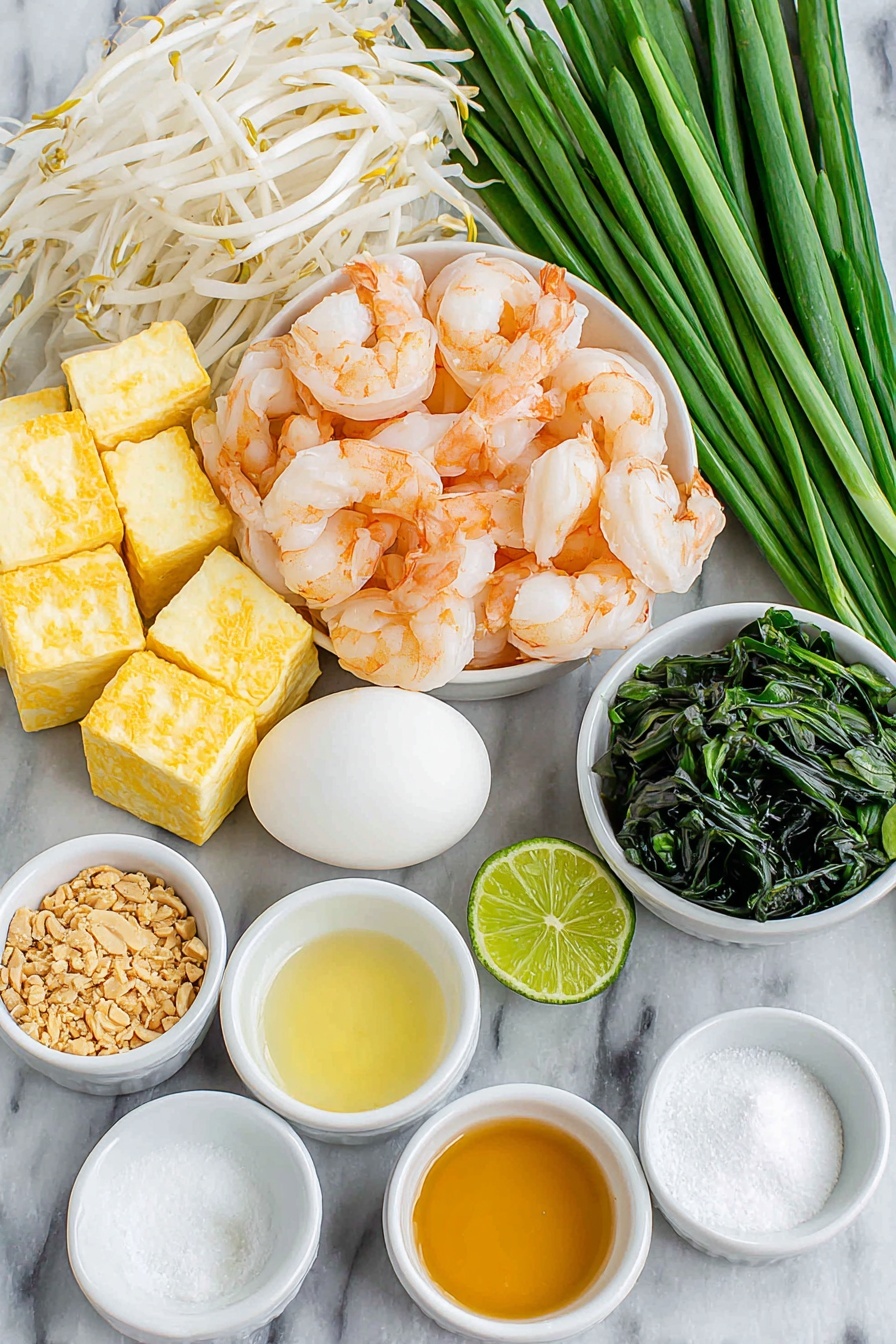
- Fresh Rice Noodles: They’re tender and soak up the sauce perfectly; if fresh isn’t available, medium-width dry rice noodles are a great substitute.
- Tamarind Block or Concentrate: This is the heart of Pad Thai’s tangy flavor; tamarind concentrate is easier to find and saves prep time.
- Palm Sugar & Brown Sugar: I like combining both because palm sugar adds depth while brown sugar ensures sweetness is balanced.
- Fish Sauce: Adds that unmistakable umami punch; if you’re sensitive to saltiness, start with less and taste as you go.
- Chicken Breast or Thighs: Thinly sliced for quick cooking and that juicy bite; thighs add more flavor and moisture.
- Oyster Sauce or Soy Sauce: I use oyster sauce most times—it gives a sweeter, richer flavor, but soy sauce works in a pinch.
- Coconut Oil or Oil of Choice: Coconut oil adds a subtle tropical aroma; any neutral oil like vegetable or canola works well too.
- Garlic & Shallots: Freshly minced for that aromatic base that makes your kitchen smell divine.
- Eggs: Adds silkiness and protein; scrambled in with the noodles for those little bursts of flavor.
- Thai Fried Tofu (optional): A great addition if you want to pump up the plant-based protein content or make it vegetarian.
- Green Onions or Chinese Garlic Chives: Their mild sharpness is perfect for freshness and color contrast.
- Bean Sprouts: Tossed in at the end for crunch and that fresh snap I personally love.
- Preserved Radish (optional): Adds a salty crunch; I usually keep this optional but highly recommend trying it once.
- Toppings: Sugar, dried Thai red chili flakes, crushed peanuts, lime wedges, extra bean sprouts, and green onions all come together to let everyone customize their plate.
Variations
I love how versatile this Easy Chicken Pad Thai Recipe is. Sometimes I tweak it based on what’s in my fridge, or I change up the protein to keep things interesting. Feel free to make this recipe your own—there’s something magical about cooking at home and finding the perfect balance that suits your family.
- Protein Swap: I’ve made this with shrimp or just tofu before; both are fantastic and soak up the sauce beautifully.
- Vegetarian Version: Leave out the fish sauce and oyster sauce, and substitute soy sauce instead; add more tofu and veggies like bell peppers or carrots.
- Spice Level Adjustment: If you like it hotter, crank up the dried chili flakes or add fresh chopped Thai chilies; my family usually keeps it mild.
- Gluten-Free: Use tamari instead of soy sauce and double-check that your fish sauce is gluten-free for a worry-free pad thai.
How to Make Easy Chicken Pad Thai Recipe
Step 1: Soften the Noodles Perfectly
Start by soaking your rice noodles in warm water for about 10-15 minutes if you’re using dry noodles, or just rinse fresh ones quickly under warm water. The key is to soften them without making them mushy because they’ll cook more in the stir-fry. I always check by tasting a strand — it should be tender but still have a bit of bite (al dente). Then drain and set aside, keeping them moist but not soaked in water.
Step 2: Whip Up the Ultimate Pad Thai Sauce
I blend tamarind paste, palm sugar, brown sugar, fish sauce, and a splash of water to create the signature tangy, sweet, and salty sauce. Sometimes I warm the sauce gently on the stove to help the sugar dissolve, especially if I’m short on time. Pro tip: taste the sauce before adding to the noodles—you want a good balance of all flavors, so adjust the sugar or fish sauce as you see fit.
Step 3: Cook the Chicken and Aromatics
Heat coconut oil in a large pan or wok over medium-high heat. Toss in the thinly sliced chicken seasoned with a bit of oyster or soy sauce, letting it cook just until golden and no longer pink. Then add the garlic and shallots, cooking them until fragrant but not burnt—about 30 seconds to a minute. This builds a flavorful foundation for your dish.
Step 4: Scramble Those Eggs
Push the chicken to one side of the pan and pour in beaten eggs on the other side. Quickly scramble until just set, then mix everything together. This way, the eggs stay soft and lightly cooked, adding wonderful texture without overpowering the other elements.
Step 5: Stir-Fry Noodles with Sauce and Veggies
Now add the softened noodles and pour in the Pad Thai sauce you made earlier. Toss everything together carefully over medium-high heat so the noodles soak up all that flavor, about 3-5 minutes. Stir in the tofu if you’re using it, green onions (or garlic chives), bean sprouts, and preserved radish. Cook just until the veggies soften slightly but remain crisp. Being gentle here preserves that delightful texture contrast.
Step 6: Plate and Garnish
Serve your pad thai steaming hot with crushed peanuts, extra bean sprouts, lime wedges, and chili flakes on the side. I always encourage guests to customize their own bowls—squeezing fresh lime juice over the top always perks up the flavors in the best way.
Pro Tips for Making Easy Chicken Pad Thai Recipe
- Noodle Timing: Always check noodles by tasting during soaking because over-soaking can turn them mushy once stir-fried.
- Balanced Sauce: I adjust the tamarind, sugar, and fish sauce each time to get my family’s preferred sweet-sour-salty harmony.
- High Heat Stir-Fry: Cooking quickly on high heat helps seal flavors and keeps ingredients from becoming soggy.
- Use a Wok or Large Pan: A roomy pan means you can toss ingredients without overcrowding, resulting in better texture and flavor distribution.
How to Serve Easy Chicken Pad Thai Recipe
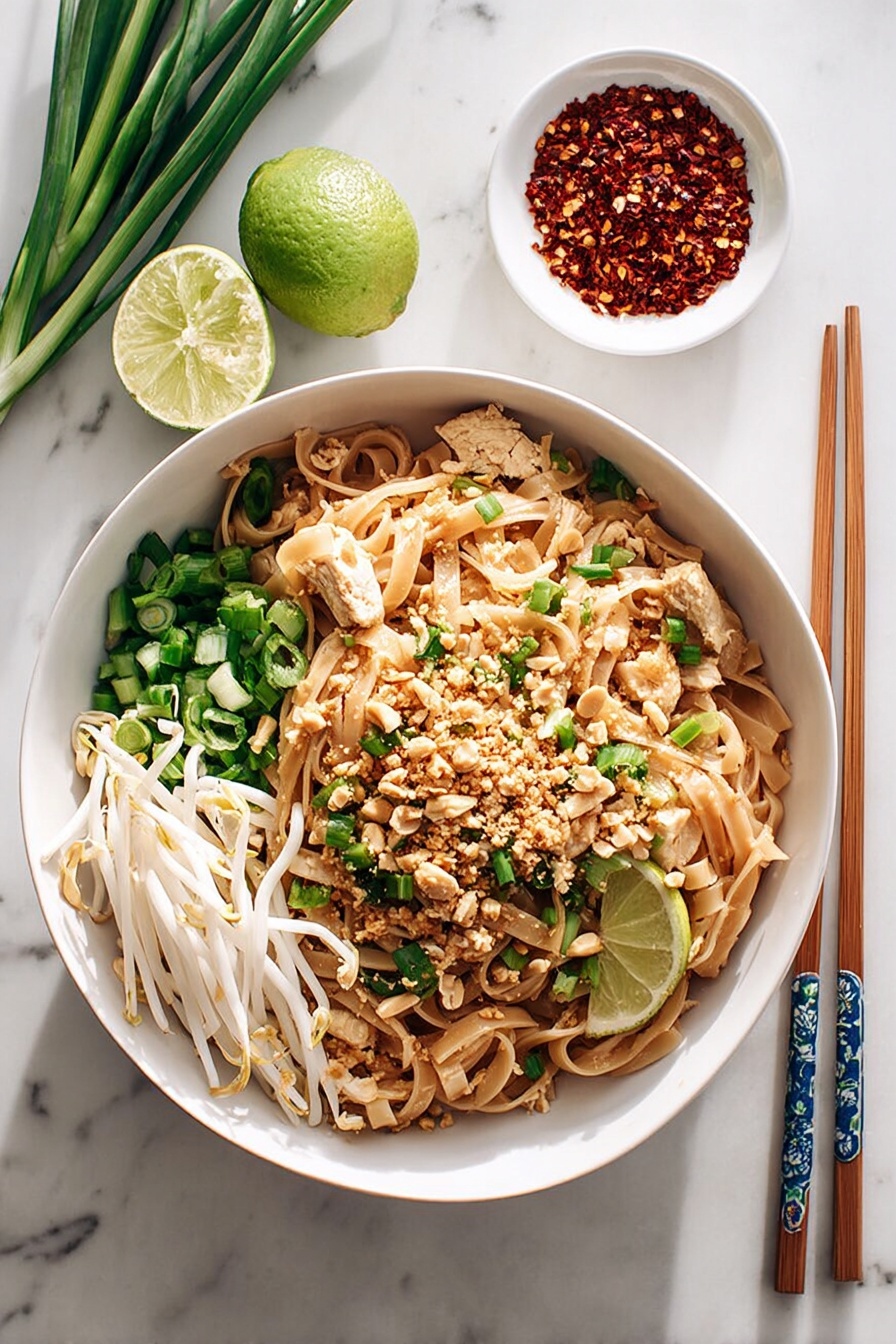
Garnishes
I’m a big fan of classic Pad Thai garnishes: fresh lime wedges for brightness, crushed roasted peanuts for crunch, some dried Thai chili flakes for a touch of heat, plus extra bean sprouts and green onions on the side. This way, everyone at the table can tailor each bite exactly how they like it. I always find the contrast of crunchy peanuts and fresh lime adds so much more excitement to the dish.
Side Dishes
Pad Thai is fantastic on its own, but I like pairing it with light sides like a crisp Thai cucumber salad or steamed jasmine rice to soak up any extra sauce. Occasionally, I’ll add a few spring rolls or a simple hot and sour soup to round out the meal.
Creative Ways to Present
For a fun dinner party, I’ve served this Easy Chicken Pad Thai Recipe in individual banana leaf-lined bowls, which instantly elevate the presentation and add a subtle aroma. Another crowd-pleaser is serving it family-style with all the garnishes in separate bowls so everyone can build their own perfect plate.
Make Ahead and Storage
Storing Leftovers
I store leftovers in an airtight container and keep them in the fridge for up to 3 days. Since the noodles absorb sauce over time, I usually add a little water or a splash of fish sauce when reheating to brighten up the flavors and loosen the dish back to its fresh texture.
Freezing
Freezing Pad Thai isn’t my favorite since the noodles can get mushy once thawed, but if you’re in a pinch, you can freeze the cooked chicken and sauce separately, then reheat and toss with fresh noodles for the best texture.
Reheating
To reheat, I prefer warming leftovers gently in a skillet over medium heat rather than microwaving so the textures stay closer to original. Adding a splash of water or sauce helps avoid dryness, and fresh bean sprouts added at the end can revive some crispness.
FAQs
-
Can I use dry rice noodles instead of fresh for this Easy Chicken Pad Thai Recipe?
Absolutely! Dry rice noodles are a great alternative if fresh ones aren’t available. Just make sure to soak them in warm water until just softened—usually about 10-15 minutes depending on thickness—and drain well before cooking. Avoid over-soaking to prevent mushiness when stir-frying.
-
What if I don’t have tamarind paste or block?
If you can’t find tamarind block or concentrate, you can try substituting with a mix of lime juice and a little brown sugar to achieve a similar tangy-sweet balance, but tamarind is really key for authentic flavor. Asian or specialty stores often carry it, so it’s worth a look.
-
Can I make this recipe vegetarian or vegan?
Yes! Simply replace chicken with extra firm tofu or veggies, and swap fish sauce and oyster sauce for soy sauce or tamari. Using coconut aminos can also add a similar umami boost if you want gluten-free options. Don’t skip the lime juice and peanuts—they keep the dish flavorful and satisfying.
-
How do I prevent the noodles from sticking together?
Keeping the noodles slightly moist after soaking and tossing them gently in the pan with oil and sauce helps prevent sticking. Stir-frying over high heat and not overcrowding the pan also makes a big difference. I like to handle them delicately and toss frequently but lightly.
Final Thoughts
This Easy Chicken Pad Thai Recipe is one of those dishes I keep coming back to because it nails that perfect balance of flavors every single time. It’s become a staple in my kitchen for weeknight dinners and family gatherings alike. I love that it’s approachable without sacrificing authenticity, and once you master it, you’ll never want to call for takeout again. Give it a try—I’m confident you’ll be amazed at just how simple and delicious homemade Pad Thai can be.
Print
Easy Chicken Pad Thai Recipe
- Prep Time: 20 min
- Cook Time: 10 min
- Total Time: 30 min
- Yield: 4 servings
- Category: Main Course
- Method: Stovetop
- Cuisine: Thai
Description
This authentic Chicken Pad Thai recipe brings the vibrant flavors of Thailand right into your home kitchen. Featuring tender chicken, fresh rice noodles, and a perfectly balanced tangy, sweet, and savory tamarind sauce, this dish is a delightful stir-fry packed with aromatic garlic, shallots, and green onions. Topped with crushed peanuts, dried chili flakes, and fresh lime wedges, it offers an irresistible combination of textures and tastes that rival your favorite Thai restaurant.
Ingredients
Noodles
- 16 oz. fresh rice noodles (or 16 oz. dry, medium-width rice noodles)
Pad Thai Sauce
- ½ of a tamarind block or ¾ cup tamarind concentrate
- ¾ cup palm sugar, finely chopped
- ¾ cup brown sugar
- ⅓–½ cup fish sauce
- ½ cup water
Pad Thai Stir-Fry Ingredients
- 1.5 lbs thinly sliced chicken breast or thighs
- 2-3 tbsp oyster sauce or soy sauce
- 4–6 tablespoons coconut oil (or oil of choice)
- 6 garlic cloves, minced
- 2 shallots, finely chopped (optional)
- 4 eggs, beaten
- 2 cups Thai fried tofu or extra firm tofu (optional)
- 1.5 cups fresh green onions or Chinese garlic chives, cut into 2-inch pieces
- 2 cups fresh bean sprouts
- ¼ cup preserved radish, chopped (optional)
Toppings to Have on the Table
- Sugar
- Dried Thai red chili flakes
- Crushed peanuts
- Lime wedges
- Extra bean sprouts & green onions
Instructions
- Prepare the Noodles: If using dry rice noodles, soak them in warm water for about 20-30 minutes until they are pliable but still slightly firm. Fresh noodles can be rinsed and set aside. Drain well before cooking to avoid sogginess.
- Make the Pad Thai Sauce: In a small saucepan, dissolve the tamarind block or mix tamarind concentrate with water. Add palm sugar, brown sugar, and fish sauce. Simmer gently until the sugars have dissolved and the sauce is well combined. Adjust flavor to balance sour, sweet, and salty profiles. Set aside.
- Cook the Chicken: Heat 2 tablespoons of coconut oil in a large wok or skillet over medium-high heat. Add the thinly sliced chicken and stir-fry until cooked through, about 3-5 minutes. Remove from the pan and set aside.
- Stir-fry Aromatics and Tofu: Add the remaining coconut oil to the pan. Sauté minced garlic and chopped shallots until fragrant and translucent. If using tofu, add tofu cubes and stir-fry for 2-3 minutes until slightly golden.
- Scramble the Eggs: Push the ingredients to one side of the wok, pour in the beaten eggs, and scramble until just set. Mix combined with other ingredients in the pan.
- Add Noodles and Sauce: Add the soaked and drained rice noodles to the pan along with the cooked chicken. Pour the prepared Pad Thai sauce over the noodles. Toss everything vigorously to coat the noodles evenly and heat through, about 2-3 minutes.
- Incorporate Vegetables: Stir in fresh green onions or garlic chives, bean sprouts, and preserved radish if using. Toss gently to combine and warm through without overcooking the vegetables, preserving their crunch.
- Serve with Toppings: Transfer to serving plates or a large platter. Serve with lime wedges, crushed peanuts, dried chili flakes, extra sugar, fresh bean sprouts, and green onions on the side for guests to customize their Pad Thai.
Notes
- Love ordering Chicken Pad Thai at your favorite Thai restaurant? Now you can make Chicken Pad Thai at home! Easier, more affordable, and even more delicious than the one at your favorite Thai place!
- Adjust the tamarind and sugar levels in the sauce to suit your taste, balancing between sour and sweet.
- Using fresh rice noodles is preferable for authentic texture, but dry noodles are a convenient alternative after soaking.
- Optional tofu adds extra texture and protein, suitable for vegetarians if omitting chicken and oyster sauce.
- For best flavor, use freshly crushed peanuts and fresh lime wedges as toppings.
Nutrition
- Serving Size: 1 plate (approximately 350g)
- Calories: 480 kcal
- Sugar: 15 g
- Sodium: 1200 mg
- Fat: 18 g
- Saturated Fat: 8 g
- Unsaturated Fat: 9 g
- Trans Fat: 0 g
- Carbohydrates: 50 g
- Fiber: 3 g
- Protein: 35 g
- Cholesterol: 150 mg

![Vegan Chicken Noodle Soup [Stove, Instant Pot, Crockpot] Recipe](https://tastyrates.com/wp-content/uploads/2025/09/0_0-1757085533025-768x960.jpeg)